Must-Read Blogs from Amateur Astronomers Running Private Observatories
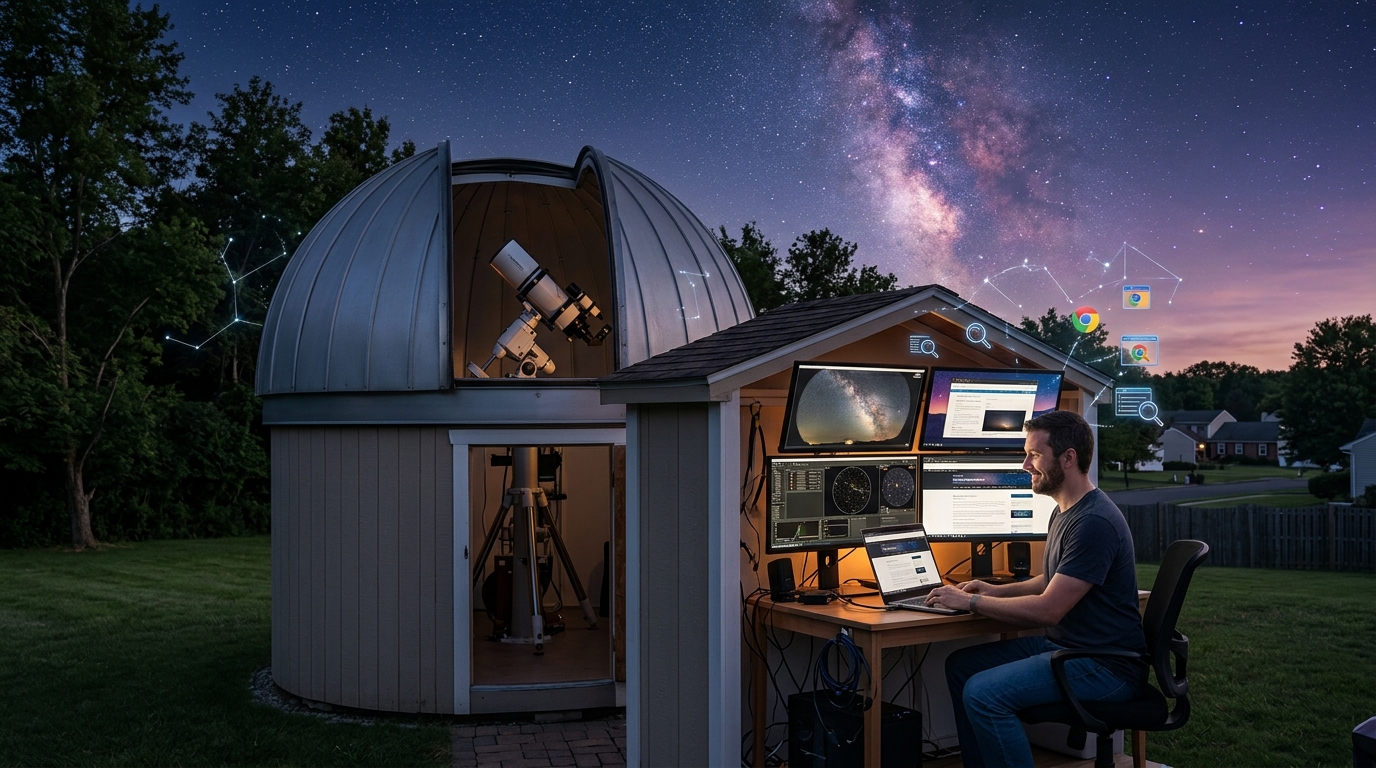
Reading someone else’s observing notes feels like sitting next to them under the stars. You get the unfiltered truth about what works, what fails, and what surprises show up in the eyepiece. Amateur astronomy blogs capture that spirit better than any glossy magazine or corporate astronomy site ever could.
Amateur astronomy blogs offer practical observing advice, honest equipment reviews, and troubleshooting wisdom from hobbyists running backyard observatories. These blogs document real challenges like light pollution, weather interruptions, and budget constraints while sharing successful imaging techniques, automation scripts, and community connections that help you improve your own stargazing practice.
Why Amateur Astronomy Blogs Beat Commercial Content
Commercial astronomy sites publish polished articles written by staff writers who may never have aligned a telescope mount in their driveway at 2 AM. Amateur bloggers share their actual mistakes and solutions.
You learn more from someone describing why their guiding failed during a three-hour Andromeda exposure than from a perfect tutorial that skips the messy parts. Real bloggers post their rejection frames. They admit when a $600 filter made no visible difference. They show you the light pollution gradient they battle every session.
These blogs also update you on local observing conditions, regional star parties, and equipment deals from people who actually use the gear. A blogger in your latitude can tell you exactly when M31 clears the neighbor’s roof line or which nights the marine layer ruins coastal imaging.
Finding Active Blogs That Match Your Interests
Start by identifying what kind of content serves your current needs. Some blogs focus heavily on deep-sky astrophotography. Others emphasize visual observing, planetary imaging, or variable star monitoring.
Check posting frequency before you commit to following. Many astronomy blogs launch with enthusiasm but go silent after six months. Look for consistent monthly updates at minimum. Read the three most recent posts to gauge whether the writing style and technical level match your experience.
Most active amateur astronomy blogs include these elements:
- Detailed imaging session reports with equipment lists
- Processing tutorials with before and after comparisons
- Equipment modifications and DIY projects
- Software configuration guides and troubleshooting
- Observing plans and target lists for upcoming months
- Weather and seeing condition discussions
The comment sections often contain as much value as the posts themselves. Active communities form around quality blogs where readers share their own experiences and solutions.
Blogs from Observatory Owners Offer Unique Value
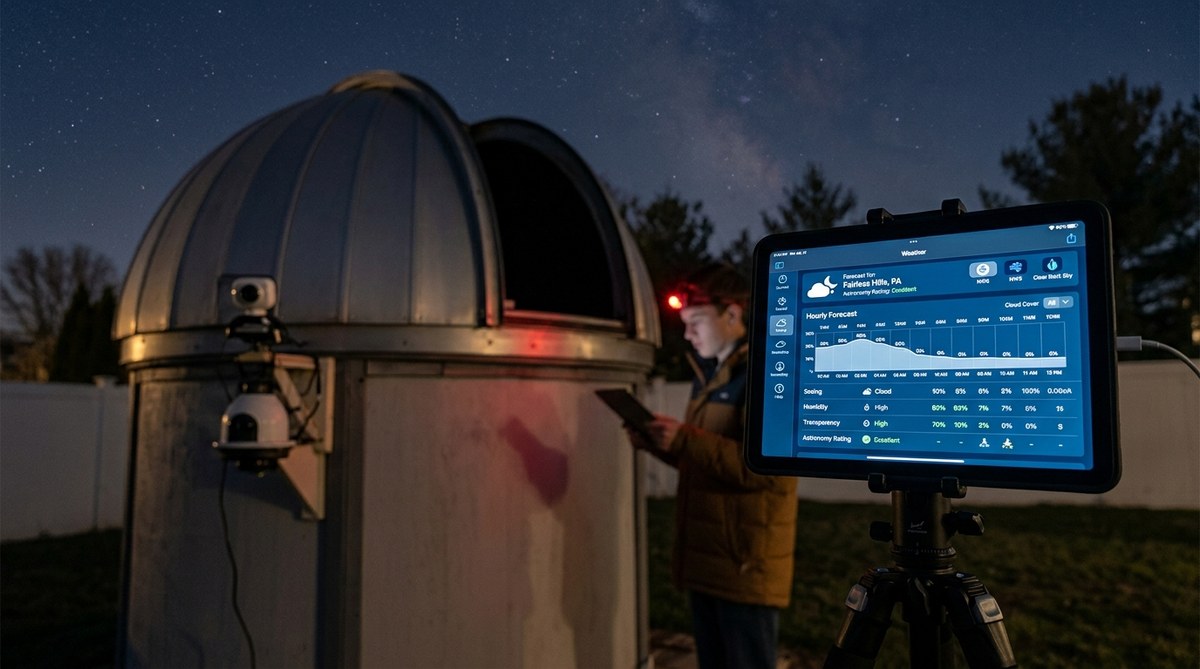
Bloggers who operate permanent backyard observatories face different challenges than portable setup users. They document building a weatherproof enclosure for remote observatory equipment on a budget and maintaining systems through seasons of temperature swings and storms.
These writers share automation workflows, remote access configurations, and power management solutions. They troubleshoot issues like dew formation, network connectivity drops, and mount drift over multi-hour imaging runs.
Observatory blogs frequently cover topics like:
- Automated roof or dome control systems
- All-sky camera monitoring and weather integration
- Flat frame automation and calibration routines
- Remote desktop setup and mobile access
- Backup power and unattended operation safety
Reading these blogs helps you plan your own permanent installation or improve an existing setup. The writers have already made the expensive mistakes and documented what actually works long-term.
How to Evaluate Blog Quality and Trustworthiness
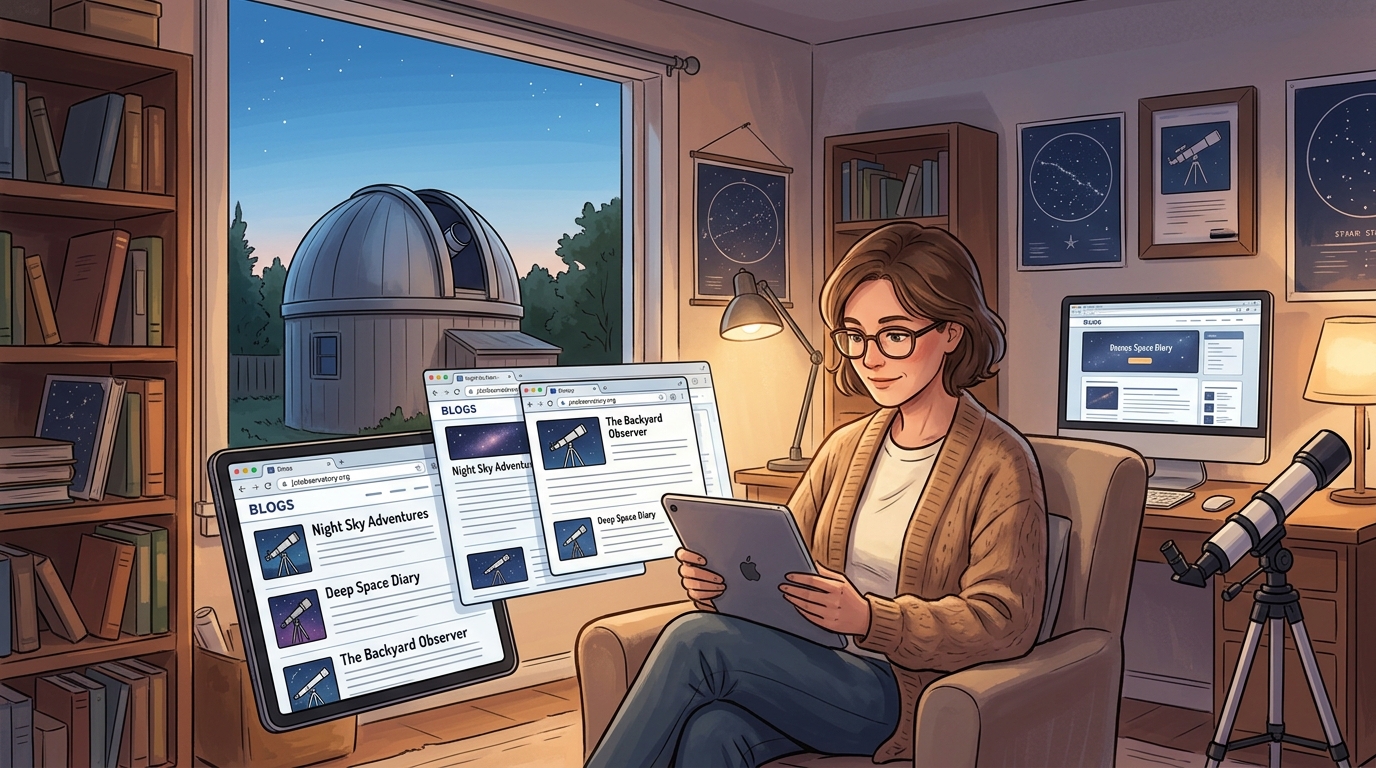
Not every amateur astronomy blog provides reliable information. Some repeat marketing claims without testing. Others share techniques that worked once but fail to mention the ten attempts that didn’t work.
Look for these quality indicators:
- Detailed methodology descriptions that let you replicate their process
- Honest failure reports alongside successes
- Specific equipment lists with model numbers and settings
- Time-stamped imaging data showing actual conditions
- Processing steps documented with software versions noted
- Follow-up posts that update earlier projects with new findings
Bloggers who include their raw data, share their processing files, or link to their image hosting accounts demonstrate transparency. Writers who respond to comments and acknowledge reader corrections show they value accuracy over ego.
Be cautious of blogs that only post perfect results, never mention problems, or seem to exclusively feature products from specific manufacturers. The best amateur astronomy blogs maintain independence and criticize gear when it underperforms.
Blog Categories That Serve Different Observing Styles
Deep-Sky Imaging Blogs
These focus on nebulae, galaxies, and clusters. Expect long posts about integration time, narrowband filters, and processing workflows. Many cover how to photograph the Andromeda Galaxy from a suburban backyard observatory and similar extended targets.
Writers often discuss light pollution mitigation, filter combinations, and stacking techniques. They share their imaging trains, guiding setups, and focus methods in detail.
Visual Observing Blogs
Visual observers document what they see through the eyepiece rather than capturing images. These blogs describe observing techniques, eyepiece comparisons, and sketch methods.
They often include observing lists, finder charts, and descriptions of subtle details visible in various apertures. Many cover urban observing strategies and what remains visible under light-polluted skies.
Planetary and Lunar Imaging Blogs
High-resolution planetary imaging requires different techniques than deep-sky work. These blogs discuss seeing conditions, lucky imaging, barlow selection, and video capture methods.
Writers share their best planetary images with capture details and processing steps. They track atmospheric features, measure rotation rates, and compare results across different apparitions.
All-Sky and Meteor Monitoring Blogs
Some bloggers focus on building an all-sky camera system to monitor celestial patterns year-round. They document meteor showers, auroral activity, satellite passes, and atmospheric phenomena.
These blogs often include time-lapse videos, automated detection systems, and data analysis scripts. They share 5 unexpected meteor shower captures our all-sky camera recorded this year and similar serendipitous events.
Observatory Automation Blogs
Technical bloggers document their journey to automate their backyard observatory with open-source software. They share scripts, hardware interfaces, and integration challenges.
These blogs appeal to readers comfortable with programming and electronics. They cover ASCOM drivers, INDI protocols, weather station integration, and safety systems.
Common Mistakes Bloggers Make and How to Spot Them
| Mistake | Why It Matters | How to Identify |
|---|---|---|
| Incomplete equipment specs | You cannot replicate their results | Missing focal lengths, pixel scales, or exposure details |
| Cherry-picking data | Creates unrealistic expectations | Only posting best images without context |
| Skipping calibration details | Leads to poor processing results | No mention of darks, flats, or bias frames |
| Ignoring atmospheric conditions | Makes results seem equipment-dependent | No seeing or transparency ratings |
| Outdated software versions | Techniques may not work with current tools | No version numbers or last-update dates |
| Affiliate link overload | Compromises objectivity | Every product mention links to retailers |
The best blogs acknowledge their limitations and specify when results depend on exceptional conditions or expensive equipment. They separate what beginners can achieve from what requires years of experience.
Building Your Blog Reading Routine
Following too many blogs creates information overload. Start with three to five that match your primary interests. Use an RSS reader or bookmark manager to track new posts without relying on social media algorithms.
Set aside time weekly to read new posts and explore linked resources. Take notes on techniques you want to try and bookmark posts you may reference later.
Many bloggers cross-link to other quality blogs in their field. When you find one excellent blog, check their blogroll or recommended reading list. This organic discovery often leads to the most relevant content for your specific interests.
Participate in comment sections when you have questions or can contribute your own experience. Building relationships with bloggers and their communities enhances your learning and may lead to observing partnerships or equipment sharing opportunities.
Blogs That Bridge Astronomy and Cultural Traditions
Some amateur bloggers document connections between modern observing and historical practices. They track the moon’s phases as a practical observer’s guide to lunar influence claims or photograph celestial events that shaped astrological traditions and how to observe them today.
These blogs appeal to readers interested in the cultural context of celestial observation. They discuss what ancient astronomers got right and wrong about planetary motion while demonstrating modern observing techniques.
Writers in this category often photograph planetary alignments as they actually look through a backyard telescope and compare observations with historical records. They maintain a respectful curiosity about how different cultures interpreted the same sky.
Technical Deep Dives Worth Your Time
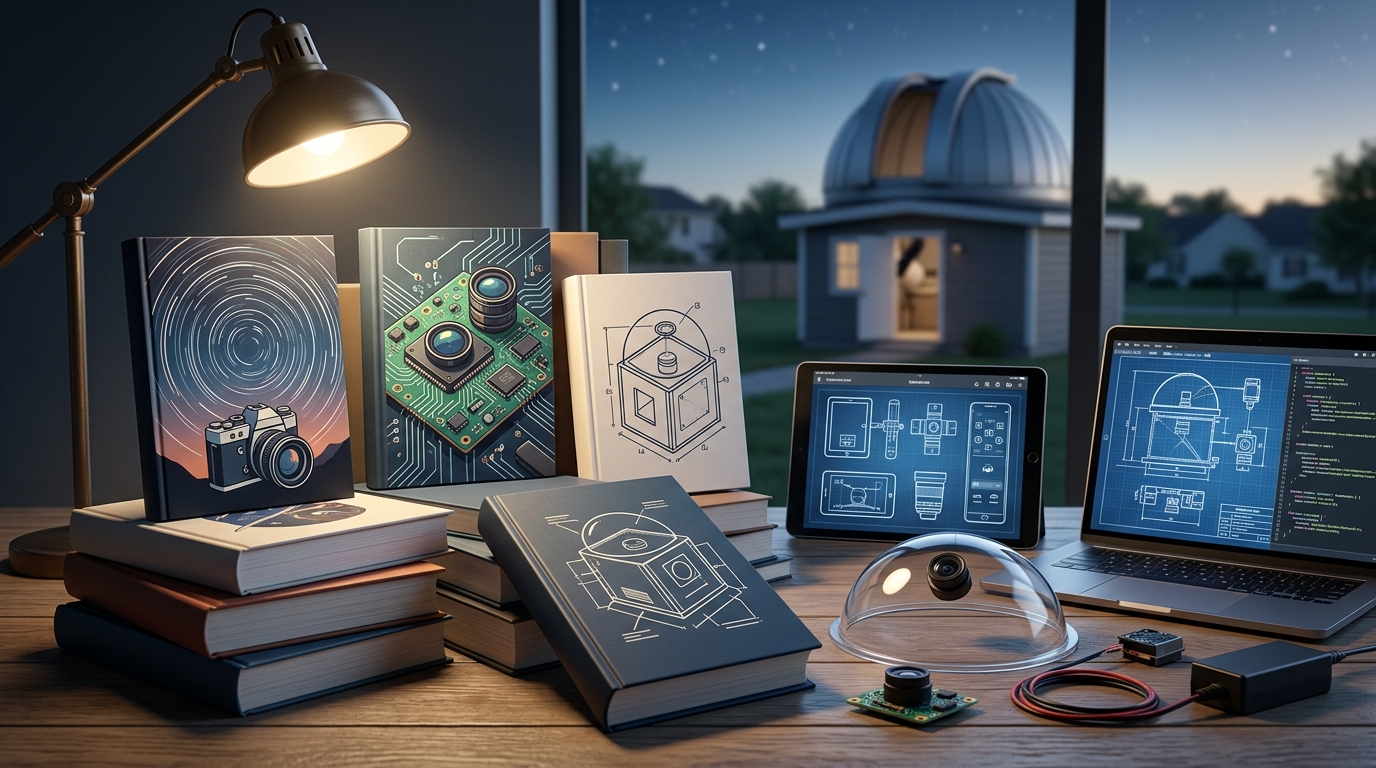
Advanced bloggers publish detailed tutorials that function as mini-courses. They document projects like building a fully automated all-sky camera system for under $300 with complete parts lists and assembly instructions.
These comprehensive guides save you hours of research and help you avoid compatibility issues. Look for posts that include:
- Complete shopping lists with current prices
- Step-by-step assembly photos or diagrams
- Configuration file examples with annotations
- Troubleshooting sections addressing common problems
- Performance results with real data
The best technical blogs update older posts when better solutions emerge or when linked products become unavailable. Check post dates and look for editor’s notes indicating updates.
Connecting Blogs to Broader Community Resources
Amateur astronomy blogs function as entry points to larger communities. Bloggers often participate in online astronomy forums and communities for backyard observers where they answer questions and share expertise.
Many maintain GitHub repositories with their automation scripts, processing workflows, and configuration files. They link to free sky mapping software every remote observatory owner should know about and explain how they integrate these tools into their workflow.
Following a blogger’s complete online presence gives you access to their real-time updates, quick tips, and community interactions that supplement their longer blog posts.
Seasonal Content and Planning Ahead
Quality blogs publish seasonal observing guides that help you plan imaging projects months in advance. They identify lunar occultation events worth setting your remote telescope for and provide advance notice of rare phenomena.
These planning posts help you prepare equipment, test automation sequences, and coordinate with other observers for time-sensitive events. Bloggers often share their own planning calendars and target lists.
Some maintain year-round project logs that document their progress on ambitious goals like completing a Messier catalog or imaging all Caldwell objects. Following these long-term projects provides motivation and realistic timelines for your own observing goals.
When Blogs Document Unexpected Discoveries
Amateur bloggers sometimes capture unusual phenomena that contribute to scientific understanding. Posts about when light pollution actually helped documenting noctilucent clouds from our observatory show how backyard observers contribute valuable data.
These serendipitous discoveries remind us that amateur astronomy remains a field where hobbyists make meaningful contributions. Reading these accounts inspires careful attention to unexpected details in your own observations.
Troubleshooting Blogs That Solve Real Problems
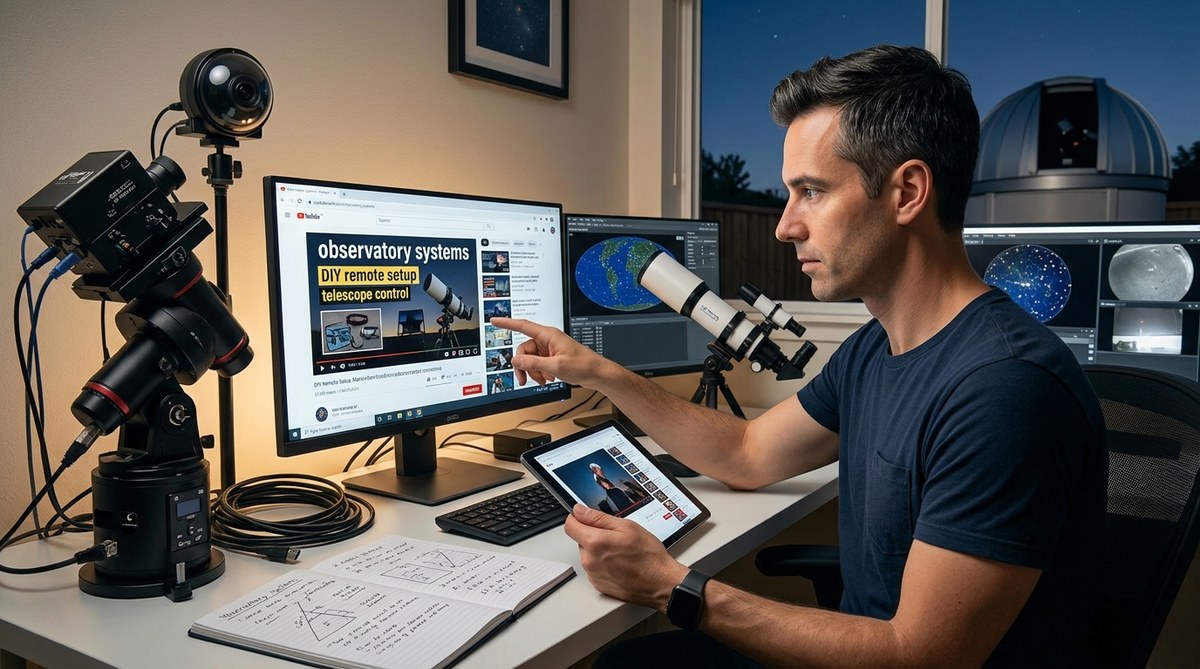
Some of the most valuable blog posts address specific technical problems. Writers who document why your observatory webcam keeps freezing at night and how to fix it provide immediately applicable solutions.
These troubleshooting posts often rank high in search results because they address frustrations many observers face but few document thoroughly. Bookmark these resources for future reference when you encounter similar issues.
“The best astronomy blog posts are the ones I wish I had found three weeks earlier, before I spent a weekend troubleshooting something someone else already solved and documented.” — Experienced amateur astronomer
Starting Your Own Amateur Astronomy Blog
Reading quality blogs may inspire you to start documenting your own observing journey. Your unique perspective, equipment combination, and local conditions give you something valuable to share.
Begin by documenting projects as you complete them. Write the tutorial you wish you had found when you started. Share your failures alongside successes. Be specific about what worked and what didn’t.
Your blog serves as your own reference library. Future you will appreciate detailed notes about that focusing routine that finally worked or that processing technique that brought out faint detail.
Regional Blogs Offer Local Insights
Bloggers in your geographic region provide the most relevant observing advice. They know your weather patterns, light pollution challenges, and seasonal seeing conditions.
They announce local star parties, equipment swaps, and observing opportunities. They may have already scouted dark sky sites within driving distance and can warn you about access restrictions or seasonal closures.
Regional bloggers often form informal networks where they share equipment, coordinate imaging projects, and help each other troubleshoot problems in person.
Making the Most of What You Read
The gap between reading about a technique and successfully implementing it can be substantial. Take notes as you read. Create a project list of techniques you want to try. Start with simpler projects before attempting complex automation.
Many blog posts assume foundational knowledge the writer takes for granted. When you encounter unfamiliar terms or concepts, research them separately before attempting the project. Build your understanding systematically rather than jumping to advanced topics.
Test new techniques on familiar targets first. This lets you isolate whether problems stem from the new method or from challenging target selection.
Blogs That Grow With You
The best amateur astronomy blogs to follow are those slightly ahead of your current skill level. They challenge you to improve without overwhelming you with inaccessible complexity.
As your abilities grow, your blog reading list should evolve. Periodically audit your subscriptions and add new blogs that address your advancing interests. Archive older blogs that no longer match your needs but might help other beginners you mentor later.
Some bloggers maintain beginner-friendly content alongside advanced projects, making their sites valuable across skill levels. These versatile blogs often become long-term resources you return to repeatedly.
Finding Inspiration in Others’ Clear Skies
Amateur astronomy blogs remind us that we’re part of a global community of people who rearrange their sleep schedules for clear nights and good seeing. Reading about someone’s successful imaging session on the other side of the world while clouds cover your own sky maintains your enthusiasm during frustrating stretches of bad weather.
These blogs document the reality that astronomy involves more equipment troubleshooting and weather watching than actual observing time. Knowing others face the same challenges makes the hobby feel less isolating and more like a shared adventure.
Start following a few blogs this week. Read their recent posts. Leave a thoughtful comment. Join the community of observers learning from each other under the same stars.

Post Comment