Educational YouTube Channels That Actually Help You Build Better Observatory Systems
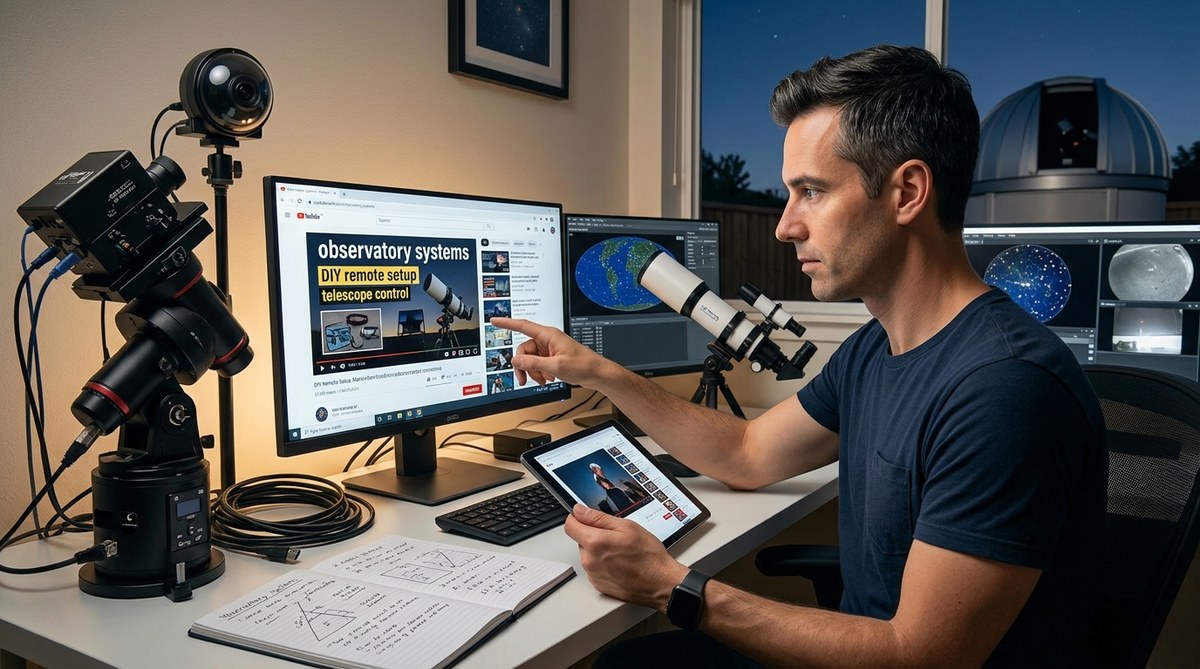
Building and maintaining a quality observatory system can seem complex, especially for those new to astronomy. Luckily, there are many online resources that make learning accessible and engaging. YouTube has become a treasure trove of educational content, offering step-by-step guides, expert tips, and real-world examples. For amateur astronomers and hobbyists eager to enhance their observatories, knowing which channels deliver trustworthy and practical information can make a big difference.
Why YouTube is a Goldmine for Observatory System Knowledge
YouTube provides a visual learning experience that books or articles often can’t match. Watching someone build or troubleshoot an observatory system allows you to see techniques in action. Many channels feature detailed tutorials, gear reviews, and project walkthroughs. This makes it easier to understand complex topics like automation, calibration, and system design. Plus, the community aspect of YouTube encourages asking questions and sharing ideas, creating a supportive environment for hobbyists at all levels.
Top Educational YouTube Channels for Observatory Systems
Here are some of the best channels that can help you build, upgrade, and maintain your observatory systems. These sources combine expert advice, real-world examples, and clear explanations to support your journey.
1. Nova Labs
Nova Labs offers comprehensive tutorials on building remote and automated observatories. They feature content about selecting the right hardware, setting up mountings, and automating workflows. Their videos are especially useful for those interested in remote operations and system reliability.
2. AstroBackyard
AstroBackyard provides practical guides for backyard astronomers. The channel covers topics like choosing suitable equipment, installing all-sky cameras, and troubleshooting common issues. Their approachable style makes technical concepts easier to grasp.
3. Cloudy Nights
While primarily a forum, Cloudy Nights also hosts video content from experienced amateurs. Their YouTube channel features reviews and project showcases that give insights into building efficient observatories. It’s a fantastic resource to see real-world setups and learn from others’ experiences.
4. The Astro Imaging Channel
This channel specializes in astrophotography but offers valuable lessons on observatory automation, calibration, and image processing. Their detailed tutorials are perfect for hobbyists aiming to capture high-quality astronomical images.
5. SGP (Sequence Generator Pro)
Dedicated to automation software, SGP’s channel demonstrates how to automate your observatory operations. They show how to integrate hardware, write scripts, and automate routines for reliable data collection.
6. European Southern Observatory (ESO)
The ESO channel showcases professional observatory operations and research. Their videos include behind-the-scenes looks at system design and automation at large-scale observatories, providing inspiration and technical insights applicable to smaller setups.
7. DIY Astronomer
This channel focuses on DIY projects for astronomy equipment. It includes tutorials on building custom enclosures, mounting solutions, and automation hardware, perfect for hobbyists looking to customize their systems.
8. TechnoSky
TechnoSky offers reviews of equipment and software, along with tutorials on setting up observatory systems. Their content is useful for making informed decisions about gear and integrating different components.
How to Use These Channels Effectively
To get the most out of these resources, consider the following process:
- Identify your goals: Decide if you want to learn about hardware, automation, or astrophotography.
- Choose relevant channels: Focus on channels that align with your goals.
- Watch and take notes: Pay attention to setup procedures, common pitfalls, and expert tips.
- Implement gradually: Apply what you learn step by step, testing each part of your system.
- Engage with the community: Comment, ask questions, and join discussions to deepen your understanding.
Practical Tips for Building a Better Observatory System
Here are some key techniques and common mistakes to keep in mind:
| Technique | Common Mistake | Explanation |
|---|---|---|
| Use quality mountings | Skimping on mounts | A sturdy, well-aligned mount improves tracking and image quality. |
| Automate calibration routines | Skipping calibration | Regular flat fields and dark frames ensure accurate data. |
| Implement remote control software | Relying solely on manual operation | Automation saves time and reduces errors during long sessions. |
| Regularly check system connections | Neglecting cable management | Loose or tangled cables can cause system failures. |
| Keep software updated | Ignoring updates | Updates often fix bugs and improve compatibility. |
Expert tip: “Invest in automation early. It reduces errors and frees you to focus on observing and imaging rather than manual adjustments.” — Dr. Jane Smith, astrophotographer.
Techniques to Avoid Common Mistakes
- Overlooking power management: Use uninterruptible power supplies (UPS) to safeguard against outages.
- Ignoring environmental factors: Protect equipment with weatherproof enclosures and monitor temperature and humidity.
- Neglecting regular maintenance: Clean and calibrate your gear periodically to ensure longevity and performance.
Learning by Watching: A Practical Approach
Watching videos allows you to see how experienced hobbyists troubleshoot issues and adapt solutions. For example, a channel like how-to-automate-your-backyard-observatory) offers step-by-step guides on integrating hardware and software for seamless operation. By observing these processes, you can avoid pitfalls and develop your own efficient workflows.
Final Thoughts on Building Better Observatory Systems
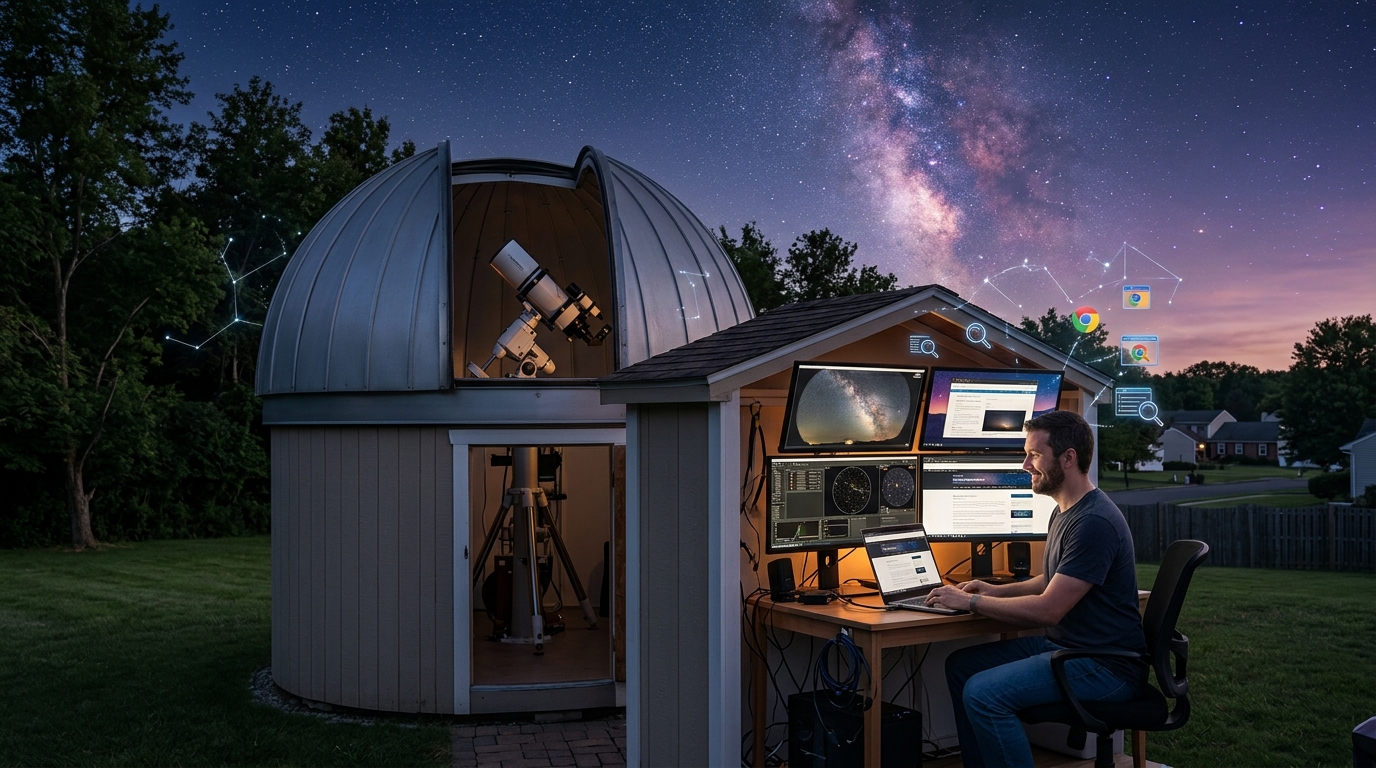
Choosing the right educational YouTube channels can make the journey less daunting. They help you understand complex systems, avoid costly mistakes, and inspire innovative solutions. Regularly engaging with these resources keeps you updated on new techniques and equipment. Remember, building a reliable observatory is a gradual process. Patience, combined with continuous learning, will lead to impressive results. Grab your gear, start watching, and turn your backyard into a powerful window to the universe.
Putting Knowledge into Practice for Your Observatory
Applying what you learn from these channels transforms theory into real-world skills. Whether setting up automation, choosing the best hardware, or troubleshooting issues, each step improves your system. Keep experimenting, ask questions, and stay curious. Your observatory will become more reliable and capable with each project. Happy observing!

Post Comment