Lunar Occultation Events Worth Setting Your Remote Telescope For
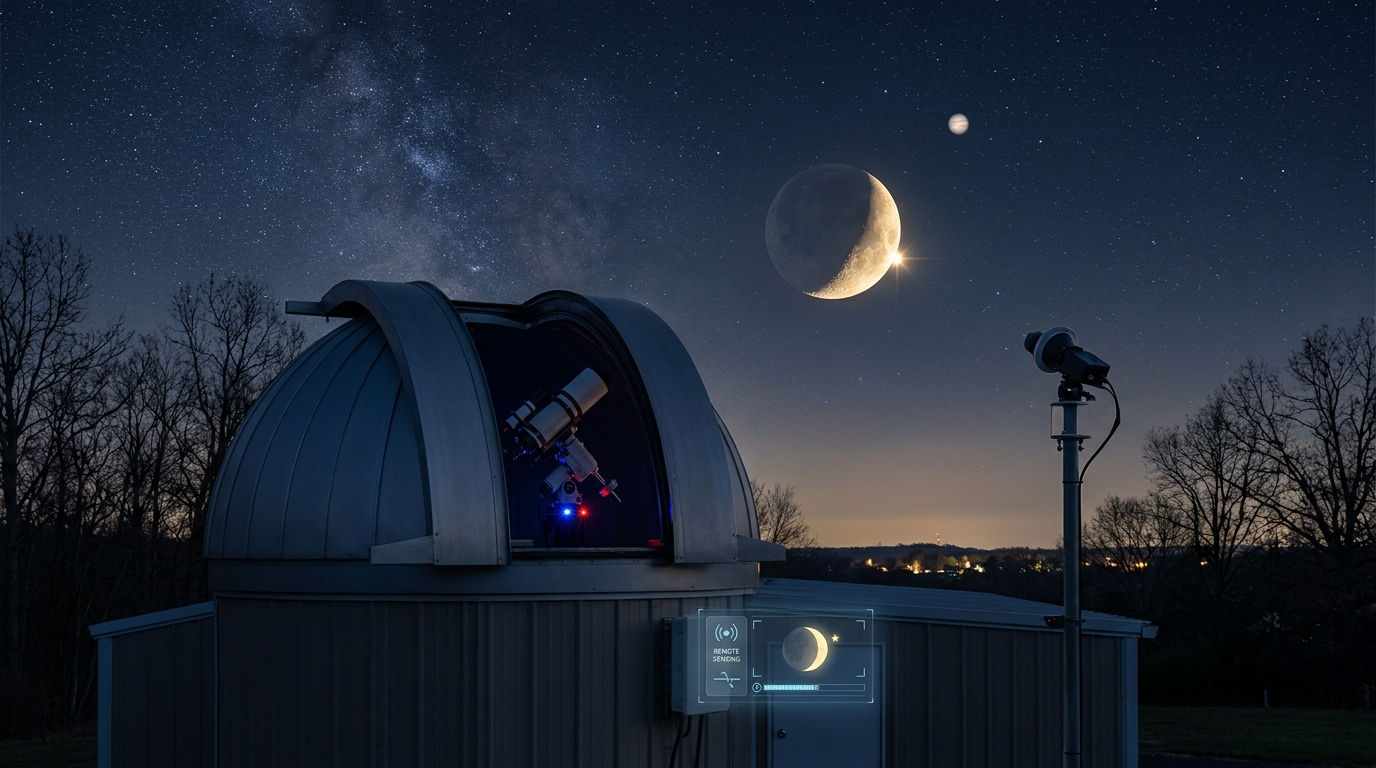
The moon doesn’t just orbit Earth. It sweeps across the celestial sphere like a silent curtain, blocking stars and planets from view in events that last anywhere from seconds to minutes. These lunar occultation events offer some of the most rewarding observations you can make with a remote telescope, combining precise timing, predictable paths, and stunning visual results that never get old.
Lunar occultation events happen when the moon passes in front of stars or planets, creating dramatic disappearances and reappearances. Remote telescope owners can capture these precisely timed events with proper planning, location awareness, and automated equipment. The best observations require accurate predictions, high frame rates, and attention to lunar phase timing.
What Makes Occultations Different from Other Celestial Events
Most astronomical events unfold slowly. Galaxies don’t move. Nebulae stay put. Even meteor showers give you hours of viewing time.
Occultations are different.
A star vanishes behind the moon’s limb in less than a second. The reappearance happens just as fast. Miss the moment by checking your phone or adjusting settings, and you’ve lost the event entirely.
This precision makes occultations perfect for remote telescope setups. You can program exact coordinates, set recording parameters ahead of time, and let your equipment capture the event while you monitor from anywhere. The moon’s position is predictable down to the arc second, so there’s no guessing involved.
The scientific value runs deeper than pretty pictures. Occultation timing helps refine lunar orbit calculations. Multiple observers across different locations can map the moon’s limb profile. Some occultations reveal close double stars that appear single in normal viewing.
Types of Occultations Worth Your Time
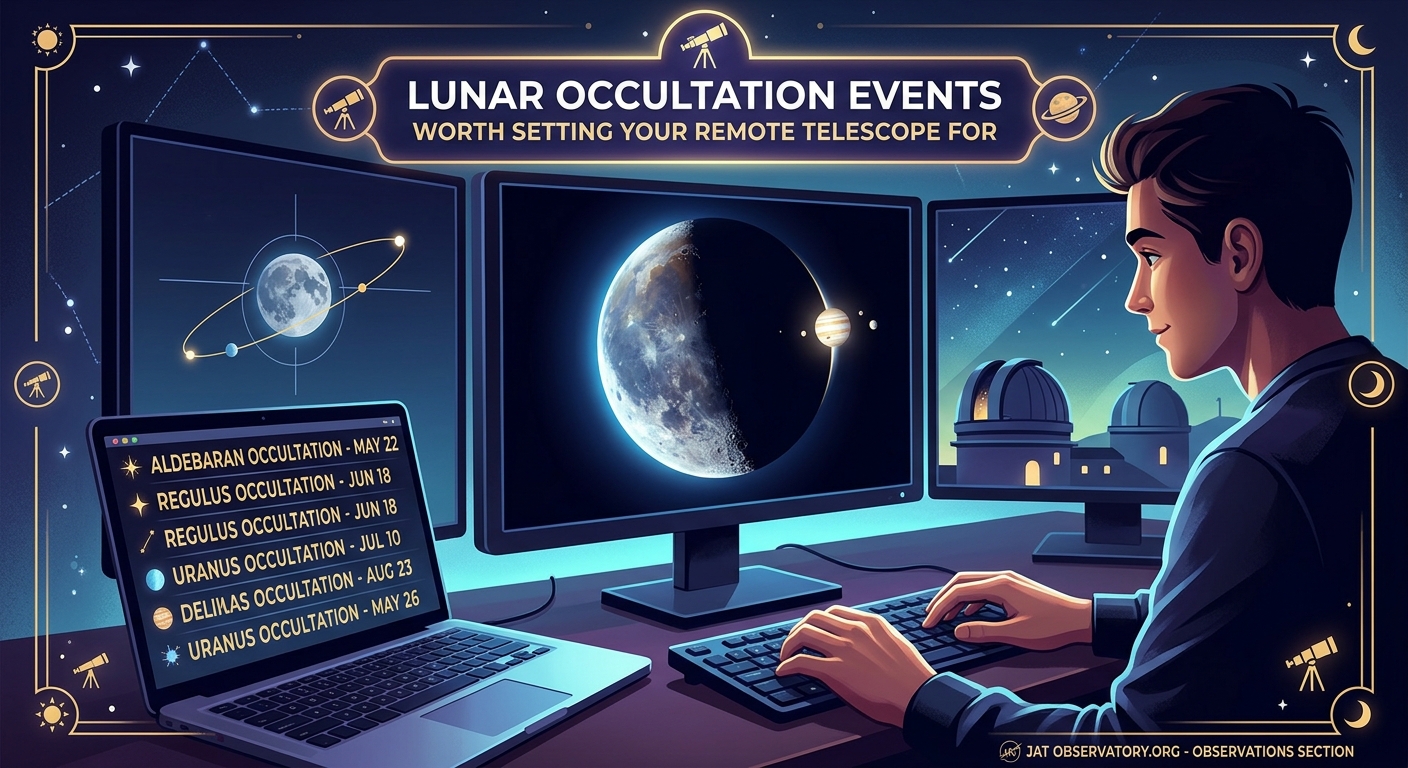
Not all occultations deserve a spot on your observing calendar. Some happen during daylight. Others involve stars too dim to see clearly. The events worth setting up for fall into specific categories.
Planetary occultations top the list. When the moon passes in front of Venus, Mars, Jupiter, or Saturn, you get drama. Planets show visible disks, so the occultation takes several seconds rather than the instant disappearance of a point source. Venus occultations during crescent phase create stunning visual contrasts. Jupiter’s moons sometimes get occulted separately from the planet itself.
Bright star occultations work well for testing equipment and timing accuracy. Stars like Aldebaran, Regulus, and Spica get occulted regularly. These first magnitude stars provide clear disappearances even through moderate light pollution.
Grazing occultations happen when the moon’s edge just barely covers a star. Observers along the graze path see the star blink on and off as lunar mountains and valleys alternately block and reveal it. These require precise location planning but offer unique data about lunar topography.
Asteroid occultations involve a different object doing the blocking, but the observation techniques overlap significantly with lunar events. The timing precision needed for asteroid work makes lunar occultations excellent practice runs.
Planning Your Observation Window
Successful occultation observation starts weeks before the event. You need predictions, weather backup dates, and equipment testing time.
Prediction software gives you local circumstances for any occultation. You’ll get the exact time of disappearance and reappearance, the position angle on the lunar limb, and the moon’s altitude above your horizon. Some events happen on the bright limb, others on the dark limb. This matters enormously for visibility.
Dark limb disappearances offer the most drama. A bright star or planet simply vanishes against the black sky. No warning, no gradual dimming. Just there, then gone.
Bright limb events require more careful observation. The star disappears into the sunlit portion of the moon, which can wash out dimmer targets. Planets fare better because their brightness competes with the lunar surface.
Here’s your planning checklist:
- Download predictions for your exact observatory location, not the nearest city
- Verify the moon’s altitude at event time (below 20 degrees gets problematic)
- Check which limb the event occurs on (dark limb strongly preferred)
- Note the position angle so you know where to look on the lunar edge
- Set up backup dates for weather contingencies
- Test your recording equipment at least 48 hours before the event
Weather planning matters more for occultations than for deep sky imaging. You can’t reschedule an occultation. If clouds block your view, you’ve lost that particular event. Having backup events identified keeps your observation schedule full.
Equipment Configuration for Occultation Recording
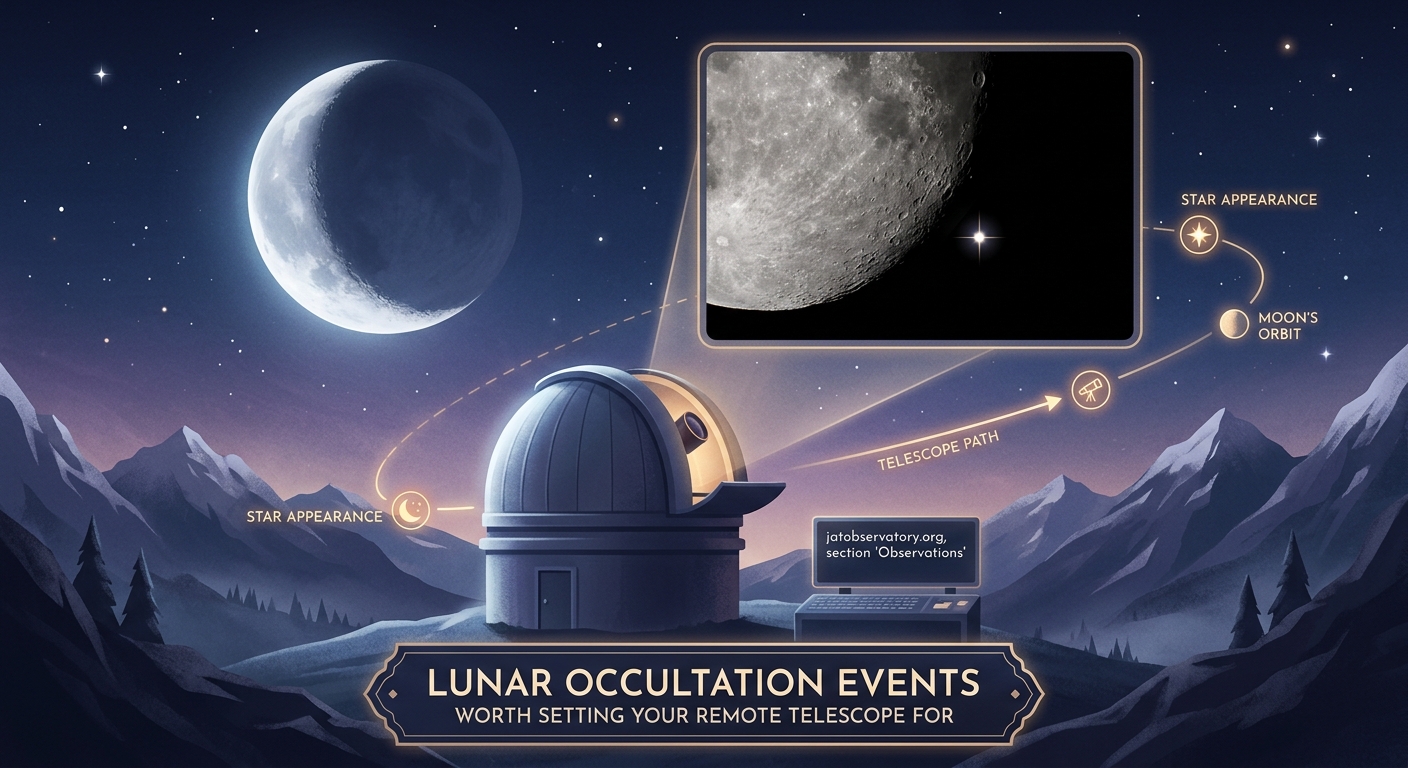
Your remote telescope setup needs specific adjustments for occultation work. The requirements differ from typical astrophotography sessions.
Frame rate becomes critical. You want to capture the exact moment of disappearance and reappearance. Standard long exposures won’t work. Instead, you need video mode or rapid frame capture.
Most planetary cameras can record at 30 to 60 frames per second. This gives you timing accuracy within 0.02 to 0.03 seconds. Scientific observers use GPS time insertion to get even more precise timestamps, but that level of accuracy exceeds what most amateur setups require.
Your focal length choice depends on the target. Planetary occultations benefit from higher magnification to show the planet’s disk clearly. Star occultations work fine at moderate focal lengths since you’re just timing a point source disappearance.
| Equipment Aspect | Planetary Occultation | Bright Star Occultation | Graze Occultation |
|---|---|---|---|
| Frame Rate | 30+ fps | 10+ fps | 60+ fps |
| Focal Length | 2000mm+ | 1000mm+ | 1500mm+ |
| Field of View | Tight on target | Include limb context | Wide graze path |
| Time Stamping | Frame accurate | Second accurate | Frame accurate |
| Focus Priority | Planet detail | Clean star image | Sharp limb profile |
Focus deserves extra attention. An out of focus star or planet makes timing measurements less reliable. The disappearance should be crisp and instantaneous, not a gradual fade caused by poor focus.
How to automate your backyard observatory with open source software becomes particularly valuable for occultation work, since you can schedule the entire observation sequence in advance.
Timing Strategies That Actually Work
Timing separates successful occultation observers from those who miss the event entirely. You need to start recording before the predicted time and continue well after.
Prediction accuracy varies. Professional predictions get you within a few seconds, but local topography, atmospheric refraction, and small errors in the lunar ephemeris can shift timing by 5 to 10 seconds. Starting your recording three minutes early and running three minutes late ensures you capture the event.
Your computer’s clock accuracy matters. Sync your system time with an internet time server before the observation. Most operating systems can do this automatically, but verify the sync happened recently.
Recording format affects file size and processing time. Uncompressed video gives the highest quality but fills storage fast. Light compression (H.264 at high bitrate) provides a good balance. Avoid heavy compression that introduces artifacts around the lunar limb.
Start recording at least two minutes before the predicted disappearance time. Keep recording until two minutes after the predicted reappearance. Storage is cheap. Missing the event because you stopped recording too soon is expensive.
The moon moves approximately its own diameter every hour. This means the occultation happens faster when the moon’s motion is more perpendicular to the star’s position. Grazing occultations show the slowest motion, while near central events happen fastest.
Processing Your Occultation Data
After the observation, you have a video file containing the event. Processing extracts the timing information and creates presentation images.
Frame by frame review identifies the exact disappearance and reappearance frames. Video editing software or specialized occultation tools let you step through individual frames. Note the timestamp of the last frame showing the star and the first frame where it has vanished.
Stacking frames before and after the event creates high quality still images. The moon’s motion means you need to align on either the moon or the star, not both. For presentations, two stacks work well: one aligned on the moon showing the star’s position relative to the limb, and one aligned on the star showing the moon’s motion.
Light curve analysis plots the star’s brightness over time during the occultation. This reveals the exact disappearance moment more precisely than visual frame inspection. Planetary occultations show gradual brightness drops as the planet’s disk gets covered.
Common processing mistakes include:
- Using the wrong time zone for timestamps
- Forgetting to account for the camera’s internal processing delay
- Over-sharpening that creates false edges around the lunar limb
- Compressing the final video too heavily for sharing
- Not keeping the original unprocessed recording
Notable Occultations Through 2026
Several standout events deserve priority scheduling over the next year. These combine favorable circumstances with bright targets.
Venus gets occulted by the moon multiple times in 2026. The May event happens during evening hours for North American observers, with Venus in a thick crescent phase. The contrast between the bright planet and the lunar limb creates stunning visuals.
Jupiter occultations in late 2026 include events where the Galilean moons get covered separately. You can watch Io disappear behind the moon, then Jupiter itself, then Io reappears while Jupiter is still hidden. These extended events give you multiple disappearance and reappearance timings from a single setup.
Aldebaran, the bright red eye of Taurus, undergoes a series of monthly occultations throughout 2026. This provides regular practice opportunities for perfecting your technique. The star’s orange color contrasts nicely with the moon’s gray surface.
Mars occultations become more frequent as the planet moves through the ecliptic. The planet’s smaller disk makes these events faster than Jupiter occultations but slower than star events.
Tracking the moon’s phases helps you understand why certain months favor occultations while others offer few observable events.
Location Matters More Than You Think
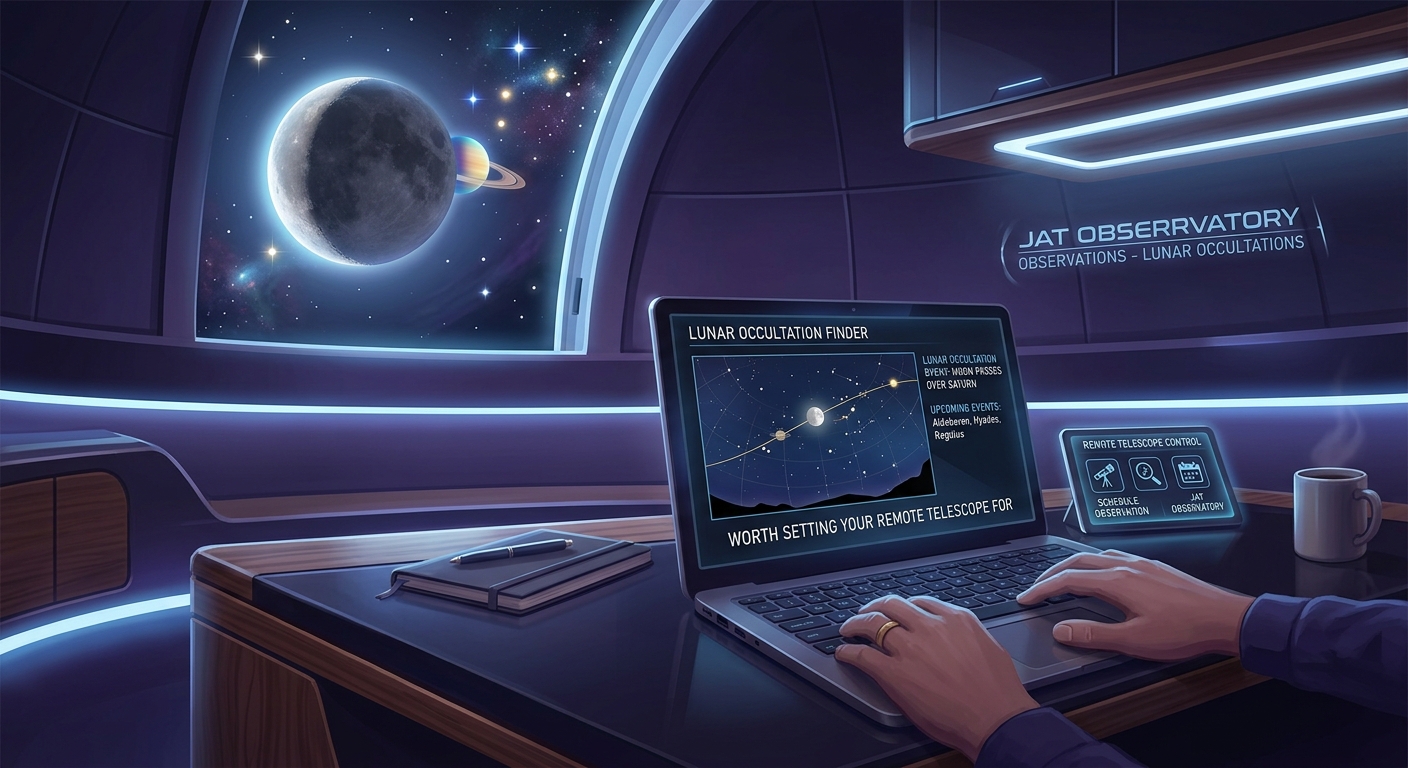
Your observatory’s precise coordinates determine what you can see. An occultation visible from one location might miss entirely just 50 miles away.
The moon’s parallax creates this effect. Different observers see the moon against slightly different background stars. For grazing occultations, this parallax determines whether you see a clean miss, a graze, or a full occultation.
Northern and southern limits define the graze path. Observers north of the northern limit see the star pass above the moon without occultation. Observers south of the southern limit see a full occultation. Those in between see the graze, with multiple disappearances and reappearances.
GPS coordinates for your telescope need accuracy to at least 0.001 degrees. This translates to roughly 100 meters on the ground. For graze observations, even tighter accuracy helps. Most prediction software accepts coordinates in decimal degrees or degrees/minutes/seconds format.
Elevation above sea level also matters. The moon appears slightly lower in the sky from higher elevations due to reduced atmospheric refraction. This can shift occultation timing by a second or two at mountain observatory sites.
Automation Scripts for Unattended Capture
Remote observatories excel at occultation observation because you can program the entire sequence. No manual intervention needed.
Your automation script should handle:
- Slewing to the target coordinates 15 minutes before the event
- Starting the camera recording 3 minutes before predicted time
- Monitoring for clouds or equipment issues during recording
- Stopping the recording 3 minutes after predicted time
- Saving the file with a timestamp in the filename
- Sending a notification that the observation completed
5 essential scripts every remote observatory owner should be running includes templates for event based observations that work well for occultations.
Error handling prevents missed observations. If the mount fails to slew, the script should retry once, then send an alert. If the camera doesn’t start recording, the script needs to detect this within 10 seconds and attempt recovery.
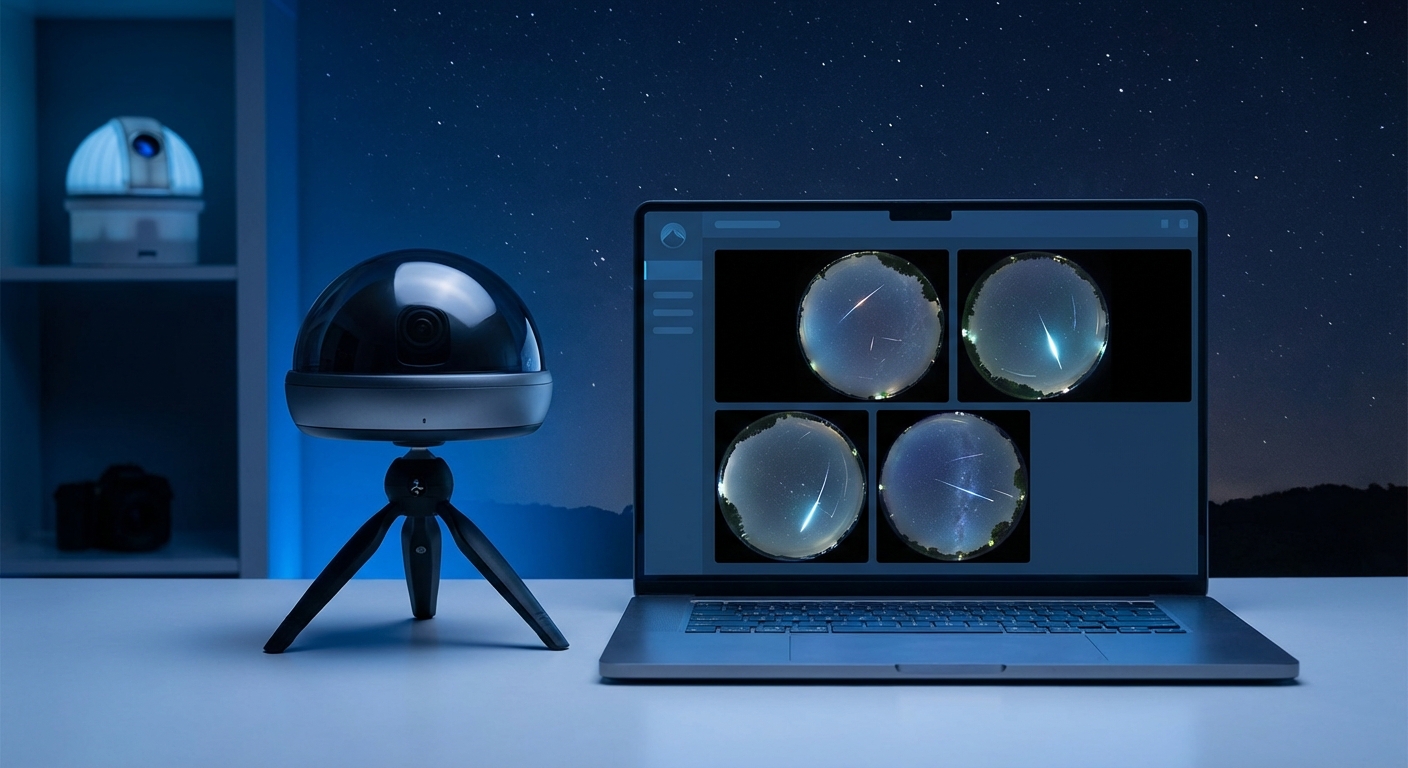
Cloud detection integration helps avoid wasted observations. If your all sky camera setup reports clouds at the scheduled time, the script can skip the observation rather than recording blank frames.
Battery backup systems matter for occultations more than for typical imaging sessions. You can’t restart a lost occultation observation. 5 essential power management solutions covers the redundancy needed for time critical events.
Sharing Your Results with the Community
Occultation observations gain value when shared. Multiple observers from different locations provide confirmation and help refine predictions.
The International Occultation Timing Association maintains databases of observer reports. Submitting your timings contributes to lunar limb profile mapping and ephemeris refinement. The submission process requires your location coordinates, timing data, and observation circumstances.
Video sharing on astronomy forums generates useful feedback. Other observers can suggest processing improvements or point out details you missed. The best online astronomy forums and communities lists active groups where occultation discussions thrive.
Social media posts work best when you include context. A simple video of a star disappearing doesn’t communicate much to casual viewers. Adding annotations showing the predicted time, your location, and the star name helps people understand what they’re seeing.
Time lapse compilations showing multiple occultations demonstrate the moon’s motion beautifully. Aligning several events so the moon appears stationary while stars zip past creates an engaging visualization of orbital mechanics.
Common Problems and Practical Solutions
Even experienced observers encounter issues during occultation observations. Knowing the fixes saves events from becoming failures.
Drift during recording happens when your mount’s tracking isn’t perfect. The target slowly moves out of frame during the recording period. Solution: use a wider field of view than you think you need, or implement active guiding even for short observations.
Timestamp errors occur when your computer clock drifts or the wrong time zone gets applied. Solution: verify your system time against an internet time server within an hour of the observation. Note your time zone explicitly in your observation log.
Focus shift between setup and observation time happens due to temperature changes. Solution: refocus 10 minutes before the event starts, after your equipment has thermally stabilized at night time temperatures.
Overexposure of the lunar limb washes out the star or planet just before disappearance. Solution: expose for the moon’s brightness, not the star. The star will be overexposed but still visible. The moon’s limb needs to be properly exposed for accurate timing.
File corruption during long recordings can lose the entire observation. Solution: use reliable storage media, avoid maximum compression settings, and keep your recording software updated.
Getting Started with Your First Occultation
Your first occultation observation should be straightforward. Pick an easy target and focus on successfully capturing the event rather than achieving perfect results.
Choose a bright star occultation on the dark limb. Aldebaran, Regulus, or Spica work well. Avoid planetary occultations for your first attempt since the longer duration and need for higher magnification add complexity.
Set up your equipment during daylight if possible. Test your recording settings, verify your computer’s time sync, and confirm your coordinates are entered correctly in the prediction software.
Run a practice recording before the actual event. Point at the moon an hour before the occultation and record for 5 minutes. Review the footage to check exposure, focus, and frame rate. Make adjustments based on what you see.
During the event, resist the urge to make changes. Let your equipment run. Adjusting settings mid observation risks missing the disappearance or reappearance.
After your first successful capture, review the footage immediately. The excitement of seeing the star vanish behind the moon never gets old, even after dozens of observations.
Making Occultations Part of Your Observing Routine
Once you’ve captured a few occultations, they become addictive. The precise timing, the dramatic disappearances, and the scientific value create a different kind of satisfaction than long exposure deep sky imaging.
Building a personal occultation database tracks your progress. Note the date, target, lunar phase, seeing conditions, and any interesting details about each observation. Over time, you’ll accumulate a valuable archive showing the moon’s motion and your improving technique.
Seasonal patterns emerge as you observe more events. Certain times of year favor specific stars. The moon’s 18.6 year cycle affects which stars get occulted. Understanding these patterns helps you plan years ahead.
Equipment upgrades become more focused. After experiencing the frustration of poor timing accuracy, you’ll prioritize GPS time insertion. After struggling with low frame rates, you’ll upgrade your camera. Each observation teaches you what matters most for your setup.
The combination of predictability and precision makes occultations ideal for remote telescope work. You know exactly when and where to point. Your equipment captures the event automatically. The results provide both scientific value and visual satisfaction. Whether you’re just starting with remote astronomy or looking to add variety to your existing observation program, lunar occultation events offer reliable opportunities to witness the cosmos in motion.

Post Comment