Tracking Satellite Passes: Our Best ISS and Starlink Observations Explained
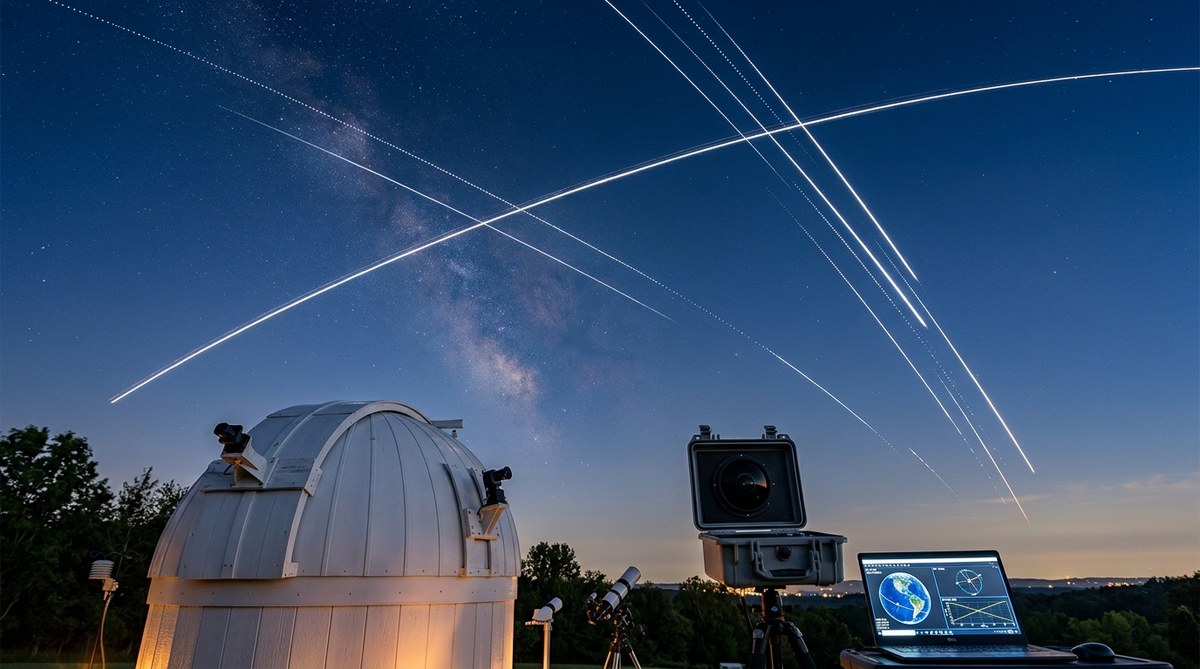
Tracking satellite passes offers a fascinating way to connect with space from your backyard. Whether you are an amateur astronomer, a casual sky watcher, or someone curious about the movement of satellites overhead, understanding how to track these passes can turn an ordinary night into an extraordinary experience. Satellites like the International Space Station and Starlink constellations zip across the sky, and with the right tools and knowledge, you can witness their journeys firsthand. This guide will walk you through practical methods, useful tips, and common pitfalls to help you become adept at tracking satellite passes with confidence.
Tracking satellite passes involves understanding their orbits, using prediction tools, and practicing observation. With a few steps, you can enjoy watching the ISS, Starlink, and other satellites fly across your sky regularly and predictably, enriching your space observation hobby.
How to Understand Satellite Passes and Their Movements
Satellites orbit Earth in predictable paths, but their apparent movement across the sky depends on your location, the satellite’s orbit, and the time of day. The International Space Station, for example, orbits approximately every 90 minutes, making it visible during certain windows. Starlink satellites form large constellations in low Earth orbit, and their passes can be more frequent but require precise timing to observe.
To effectively track satellite passes, you need to grasp some basic concepts:
- Orbital parameters: How satellites move along their paths.
- Pass predictions: When and where a satellite will be visible.
- Visibility conditions: Light pollution, weather, and sky clarity affecting observation.
Understanding these elements helps you anticipate satellite passes and plan your observation sessions.
Practical Steps for Tracking Satellite Passes
Here is a step-by-step process to start tracking satellites effectively:
-
Identify your location and time zone
Accurate predictions depend on your exact coordinates. Use tools like Heavens-Above which automatically detect your location or let you manually enter it. -
Use satellite prediction tools
Reliable prediction websites and apps are your best friends. Popular options include N2YO and Heavens-Above. These platforms provide real-time data and future pass predictions for satellites like the ISS and Starlink. -
Set up observation alerts
Many prediction apps allow you to set notifications for upcoming passes. This way, you won’t miss the satellite even if you are busy. Some apps can send alerts minutes before a pass begins. -
Practice your observation skills
Find a dark, unobstructed area with a clear view of the sky. Use a compass and an inclinometer or smartphone apps to help orient yourself. When a predicted pass occurs, look for a moving point of light traveling steadily across the sky. -
Record and verify your observations
Use a camera, smartphone, or even a simple sketch to document your observations. Comparing your sightings with predictions helps improve your accuracy over time.
Techniques for Better Satellite Tracking
- Manual spotting: Simply watch the sky at predicted times. Satellites are usually bright enough to see with the naked eye.
- Use a telescope or binoculars: For more detailed viewing, especially with starlink satellites which are often faint, telescopes can help.
- Automated tracking mounts: For those serious about satellite observation, mounts that can follow satellites automatically make tracking easier and more precise.
Common Mistakes to Avoid
| Mistake | Explanation | How to Avoid |
|---|---|---|
| Relying on inaccurate location data | Location impacts pass prediction accuracy. | Always verify your coordinates in prediction tools. |
| Ignoring weather conditions | Clouds, fog, and light pollution can obscure satellites. | Check weather forecasts before planning your observation. |
| Not timing passes correctly | Missing the pass because of poor timing. | Set alerts and arrive early at your observation site. |
| Using outdated prediction data | Satellite orbits change slightly over time. | Use updated prediction tools regularly. |
Expert tip: “Using prediction tools is essential, but don’t forget to adjust for local conditions. Practice makes perfect, and over time you’ll learn to anticipate passes even when predictions are slightly off.”
Tips for Enhancing Your Satellite Observation Experience
- Learn the sky: Familiarize yourself with constellations and bright stars to help locate satellites more easily.
- Observe during optimum conditions: Clear, moonless nights provide the best viewing opportunities.
- Record passes: Video recordings can add excitement and help analyze satellite paths.
- Join community groups: Online forums and local astronomy clubs can offer valuable advice and share upcoming passes.
- Combine astrological knowledge: For those interested in astrology, understanding planetary positions and their influence can add a personal dimension to your observations.
Special Considerations When Tracking Starlink and ISS
Starlink satellites tend to be faint and move quickly across the sky. They can sometimes appear as a string of lights in a train, especially during launch phases. The ISS is much brighter and faster, often visible for about 6 minutes during a pass. Knowing their typical paths and times makes it easier to catch these fleeting moments.
The International Space Station often passes over multiple times per day, but the passes vary in brightness and duration. Planning your observation around predicted times makes it more likely to see it streak across your sky.
Starlink satellites, launched in large groups, can be tracked using specific prediction tools that account for their constellation patterns. Regularly updating your data helps you stay ahead of their new orbits as they are deployed and moved.
Observing Satellites as a Gateway to Skywatching and Astrology
Tracking satellites can deepen your appreciation for the dynamic sky. It bridges the gap between scientific observation and personal curiosity about cosmic influences. Some enthusiasts see satellite passes as modern celestial phenomena, akin to planetary transits, offering a daily reminder of our connection with space.
While astrology often focuses on planetary movements, satellite passes provide a tangible way to witness celestial mechanics in action. They serve as a reminder that Earth’s environment is constantly changing and that we are part of an active universe.
Final Tips for Successful Satellite Tracking
- Keep a log of passes you observe, noting the time, location, and conditions.
- Use smartphone apps to get real-time updates and alerts.
- Practice patience and persistence. Bright passes may be easy to catch, but faint satellites require attention and sometimes a little luck.
- Share your experiences online or with local groups to stay motivated and learn new techniques.
A New Perspective on Watching the Skies
Satellites are a part of our sky, and learning to track their passes opens a new window into understanding Earth’s orbit and the activity happening just above us. With simple tools and a bit of practice, you can enjoy regular sightings of the ISS, Starlink, and other satellites. These fleeting glimpses connect you to the ongoing story of human space activity.
By integrating prediction tools, paying attention to weather, and honing your observation skills, you will find satellite tracking to be a rewarding addition to your astronomy hobby. Whether for education, curiosity, or personal interest, following satellite passes transforms a clear night into a dynamic experience of cosmic movement.
Embrace the Movement of the Heavens
Tracking satellite passes can become a captivating part of your night sky adventures. It’s a chance to see human-made objects traverse the celestial sphere, inspiring awe and curiosity. Over time, you’ll develop a keen eye for timing and positioning, making each observation more rewarding.
Take your time to learn the tools, practice regularly, and enjoy the journey of witnessing the dance of satellites across the sky. The universe is constantly moving, and with a little effort, you can watch that movement unfold right above your head.

Post Comment