What Can You Actually See Through a 10-Inch Telescope in Pennsylvania?
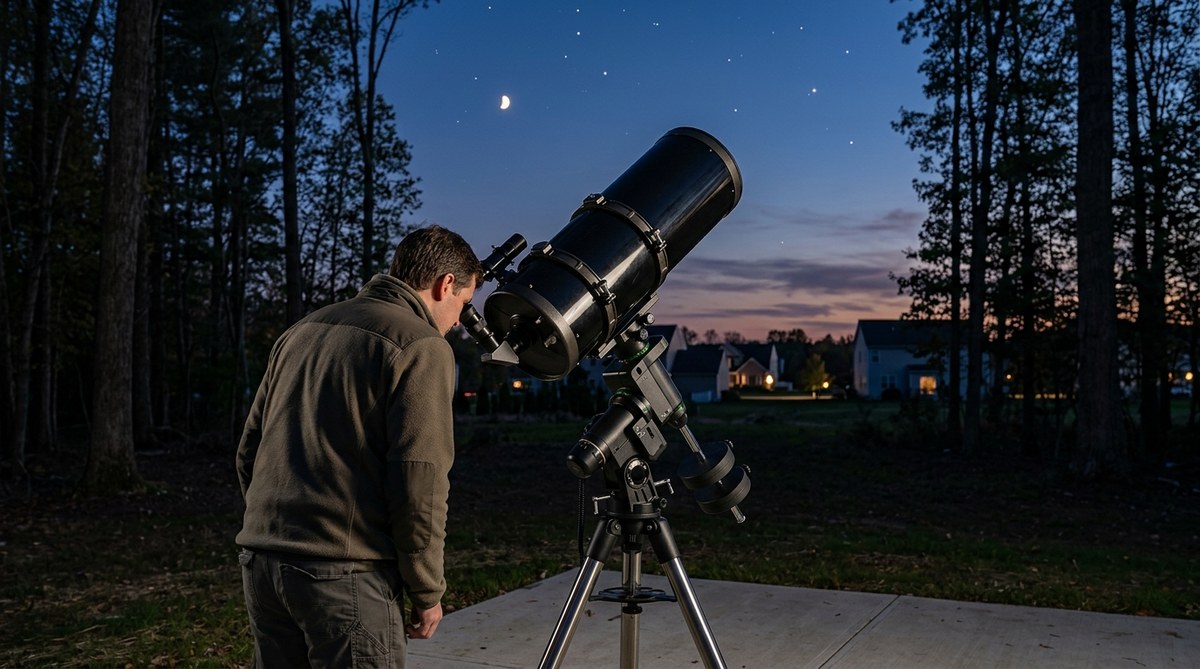
Stargazing with a 10-inch telescope in Pennsylvania opens up a universe of sights. Whether you’re a beginner or an experienced amateur astronomer, knowing what objects are visible helps you plan your night under the stars. Pennsylvania’s dark skies, especially in designated stargazing spots, make this size telescope a powerful tool for exploring planets, stars, galaxies, and more. Let’s explore what you can realistically see and how to make the most of your stargazing adventures in the Keystone State.
A 10-inch telescope in Pennsylvania reveals a variety of celestial objects, including planets, star clusters, nebulae, and galaxies. With clear dark skies and proper techniques, you can enjoy detailed views of many objects, enriching your stargazing experience.
What Celestial Objects Are Visible with a 10-Inch Telescope in Pennsylvania?
A 10-inch telescope strikes a good balance between size and light-gathering ability. It allows you to see objects that smaller telescopes might miss. In Pennsylvania, the visibility depends on the location, weather, and light pollution levels. However, with a dark enough sky and some patience, you can observe a wide array of astronomical sights.
Planets
One of the most exciting targets through a 10-inch scope is the planets in our solar system. Bright planets such as Jupiter, Saturn, Mars, and Venus offer stunning details. For instance:
- Jupiter: You can see cloud bands, the Great Red Spot, and its four largest moons. Watching the moons transit or seeing their shadows cast on Jupiter adds to the fun.
- Saturn: The rings appear sharp and can often be distinguished easily. Sometimes you can see the Cassini Division—a dark gap in the rings.
- Mars: When Mars is close enough, you might spot polar ice caps and surface markings.
- Venus: Its phases are visible, just like a miniature moon.
Star Clusters
Star clusters are some of the most rewarding objects for amateur astronomers. With a 10-inch telescope, you’ll see incredible detail:
- Open clusters like the Pleiades (also called the Seven Sisters) are bright and beautiful.
- Globular clusters such as M13 Hercules are densely packed and reveal individual stars in high detail.
Nebulae
Nebulae are glowing clouds of gas and dust. Many are visible in Pennsylvania’s dark sky areas:
- Orion Nebula (M42): One of the brightest and most famous nebulae, visible as a fuzzy, glowing patch with intricate details.
- Ring Nebula (M57): A planetary nebula that appears as a delicate, donut-shaped object.
- Eagle Nebula (M16): Famous for the “Pillars of Creation,” though details depend on sky conditions.
Galaxies
Galaxies appear as faint smudges, but a 10-inch scope can reveal many in the Virgo and Leo constellations:
- Andromeda Galaxy (M31): The closest spiral galaxy to Earth, visible as a large, hazy patch.
- Whirlpool Galaxy (M51): Shows a distinct spiral shape.
- Sombrero Galaxy (M104): Known for its bright core and dust lane.
Other Deep Sky Objects
Many other objects such as planetary nebulae, supernova remnants, and faint galaxies are within reach:
- Dumbbell Nebula (M27): A bright planetary nebula.
- North America Nebula (NGC 7000): Visible in rich, dark skies.
Practical Tips for Maximizing Your Viewing Experience
Achieving the best views involves some planning and technique. Here are steps to help you get started:
- Pick the Right Location: Find a place far from city lights. Pennsylvania has several dark sky parks, like Cherry Springs State Park, that are perfect for stargazing.
- Check the Weather and Moon Phases: Clear, moonless nights offer the best visibility. The moon’s brightness can wash out faint objects.
- Allow Your Eyes to Adjust: Give your eyes at least 20 minutes in darkness to see faint objects better.
- Use Proper Techniques: Focus carefully, use low magnification to locate objects, then switch to higher powers for detailed views.
- Record and Share Your Observations: Keeping a log helps track what you see and plan future sessions.
How to Find Objects in the Sky
- Use Star Charts or Apps: Tools like Stellarium or SkySafari can help locate objects.
- Start with Bright Objects: Look for planets, bright star clusters, and nebulae first.
- Navigate with a Telescopic Finder: A low-power eyepiece makes locating objects easier.
Common Mistakes to Avoid
| Technique | Mistake |
|---|---|
| Not allowing eyes to dark adapt | Diminished faint object visibility |
| Using too high magnification initially | Difficult to locate objects |
| Ignoring weather forecasts | Wasted night due to clouds or humidity |
| Overlooking calibration | Blurry or unfocused images |
Expert tip: “Patience is key. It takes time to learn the sky and your telescope’s capabilities. Don’t rush the process, and enjoy each discovery.”
Local Stargazing Spots for Pennsylvania Enthusiasts
Pennsylvania offers several excellent locations for stargazing with a 10-inch telescope:
- Cherry Springs State Park: Known for some of the darkest skies east of the Mississippi, it hosts regular astronomy events.
- Sproul State Forest: Offers remote sites with minimal light pollution.
- French Creek State Park: A popular spot with facilities and open horizons.
- Wagman Observatory: Operated by local astronomy clubs, it provides access to powerful telescopes and guided sessions.
Joining Local Astronomy Clubs
Many clubs organize star parties and provide access to equipment and expert guidance. Joining such groups can enhance your experience and help you learn new techniques.
Techniques to Enhance Your Viewing
- Use filters: Light pollution filters can improve contrast for faint objects.
- Practice star hopping: Learn to navigate the sky using reference stars.
- Capture images: Basic astrophotography can document your sightings and inspire further exploration.
Mistakes to Watch For
| Technique | Mistake |
|---|---|
| Overusing high magnification | Losing sight of the object or blurry images |
| Not collimating the telescope | Poor image quality |
| Ignoring sky conditions | Frustration and missed targets |
Final Thoughts on Your Pennsylvania Stargazing Journey
A 10-inch telescope is a powerful tool for revealing the universe’s wonders right from your backyard or a dark sky site. With patience, practice, and the right techniques, you’ll enjoy incredible views of planets, nebulae, star clusters, and distant galaxies. Pennsylvania’s rich natural landscapes and designated dark sky parks make it an ideal place to deepen your astronomy pursuits. Remember to check local weather and moon phases, and don’t hesitate to reach out to local clubs for support. Your next stargazing adventure awaits just beyond the horizon.
Keep Looking Up and Keep Discovering
Stargazing is a rewarding hobby that offers a lifelong journey of learning and awe. With your 10-inch telescope and a bit of patience, the universe becomes a little more personal. Get out, set up your equipment, and enjoy the magic of the night sky in Pennsylvania. Each session brings new sights and a deeper appreciation for the vast cosmos around us. Happy observing!

Post Comment