Where to Find Reliable Weather Data for Astronomy Observation Planning
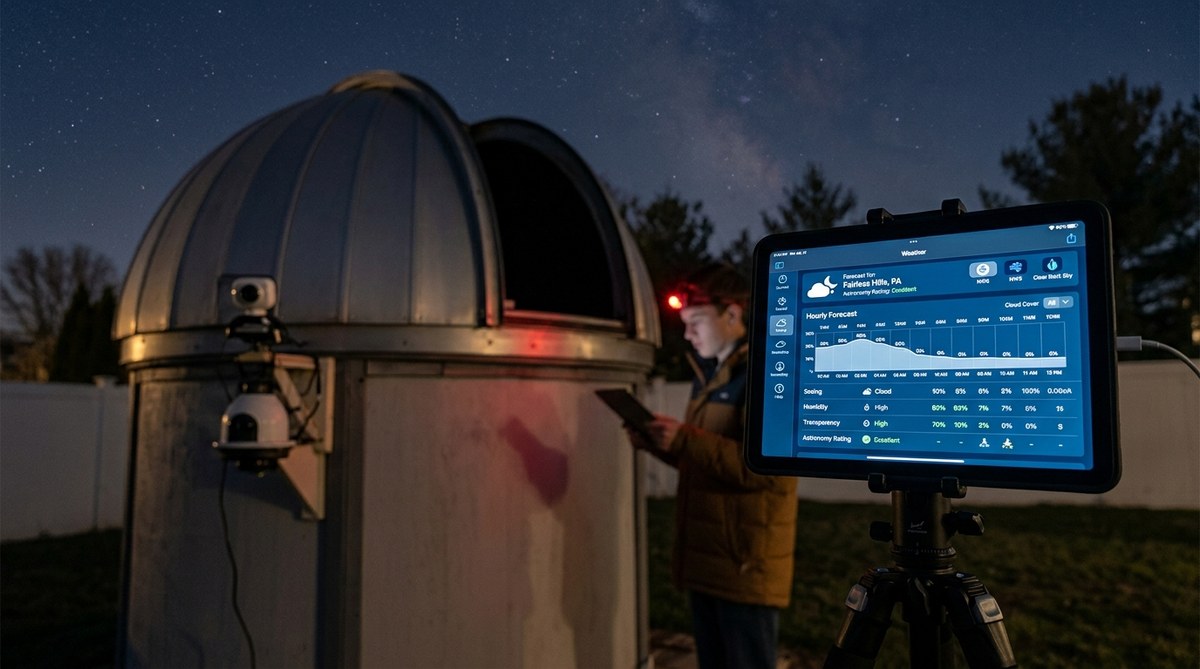
Planning an astronomy session hinges on more than just knowing the night sky. It requires accurate weather data to ensure your observations aren’t spoiled by clouds, wind, or rain. Whether you’re an amateur astronomer, astrophotographer, or a dedicated sky watcher, knowing where to find reliable weather data can make all the difference. With the right information, you can maximize your chances of clear skies and enjoy those breathtaking celestial sights without frustration.
Reliable weather data is essential for planning successful astronomy observations. Using trusted sources and understanding local conditions can help you predict clear skies and avoid wasted nights. Combining multiple tools ensures more accurate forecasts, leading to better star-gazing experiences and improved astrophotography sessions.
Understanding the Importance of Reliable Weather Data for Astronomy
Weather can change quickly, especially in mountain or coastal areas. Clouds, humidity, wind, and even atmospheric instability influence whether the night will be suitable for observing. For many amateur astronomers, a clear, stable sky is the ultimate goal. Without dependable weather information, you risk spending hours setting up only to face cloud cover or poor seeing conditions.
Knowing where to find trustworthy weather data involves understanding the factors that impact your local observing environment. It also means selecting sources that provide detailed, timely updates. Relying solely on general weather apps may lead to inaccurate predictions, especially for specific conditions like humidity or seeing quality. That’s why experienced sky watchers turn to specialized tools and sources.
Top Techniques to Access Accurate Weather Data for Astronomy
Getting reliable weather information for astronomy involves a combination of the right tools and techniques. Here are some practical steps to improve your observation planning:
-
Use dedicated astronomy weather sites
Opt for platforms designed specifically for stargazers and astrophotographers. These sites often include cloud cover maps, transparency forecasts, wind conditions, and seeing predictions. Examples include Clear Outside and Astrospheric. They analyze weather data with a focus on how it affects celestial viewing. -
Monitor local weather stations and webcams
Check nearby weather stations for real-time data. Some observatories or amateur groups maintain webcams pointed at the sky or horizon, providing visual confirmation of sky conditions. This helps you verify if the forecasted clear sky is actually clear at your location. -
Leverage weather APIs tailored for astronomers
APIs like the Weatherbit API or OpenWeatherMap can be integrated into custom scripts or apps. These platforms often include detailed forecasts, cloud cover percentage, and atmospheric data, which can be invaluable for planning. -
Consult local astronomical societies and forums
Many amateur groups share real-time observations and forecasts based on their local experience. Joining online communities or local clubs can give you insights into recent sky conditions and weather trends. -
Combine multiple sources for accuracy
Relying on a single source might lead to surprises. Cross-reference weather forecasts from different platforms and compare them with your local observations. This multi-layered approach helps you make more confident decisions about when to observe.
Common Mistakes in Relying on Weather Data and How to Avoid Them
| Mistake | Why it happens | How to avoid it |
|---|---|---|
| Relying on generic weather apps | They often lack the specificity needed for astronomy | Use dedicated astronomy weather tools and local observations |
| Ignoring local microclimates | Nearby weather stations may not reflect your exact spot | Check webcams or nearby stations with your exact location |
| Not updating forecasts regularly | Weather can change rapidly | Refresh forecasts close to your planned observing time |
| Overestimating clear sky predictions | Models may overstate clarity | Look for probabilistic forecasts and cloud cover percentages |
| Forgetting to consider seeing conditions | Clear skies don’t guarantee good image quality | Incorporate atmospheric stability forecasts when possible |
“The key to successful astronomy observation planning is combining forecast data with your own local observations. Always keep an eye on the sky in real-time before you set up.” – Dr. Skywatcher
Practical Steps to Prepare for Your Observation Night
-
Check multiple weather sources
Start by reviewing dedicated astronomy forecast sites. Confirm cloud cover, transparency, and wind conditions. -
Observe your local sky
Scouting the sky with binoculars or a small telescope can reveal emerging clouds or haze that forecasts may miss. -
Adjust your schedule
If a forecast predicts partial clouds or instability, consider shifting your session to a different night. -
Prepare backup plans
Have alternative activities ready, such as planetary imaging or star charting, in case the weather clears unexpectedly. -
Stay updated during the night
Use weather apps or webcams for real-time monitoring. Sometimes conditions improve or worsen unexpectedly.
Techniques to Maximize Observation Success
| Technique | Description | Best Practice |
|---|---|---|
| Use forecast confidence levels | Many weather platforms assign probabilities to forecast accuracy | Plan to observe when confidence levels are high, typically above 80% |
| Incorporate seeing forecasts | Some sites provide atmospheric turbulence predictions | Schedule your most sensitive imaging for times of good seeing |
| Track weather patterns | Recognize recurring microclimates or weather trends in your area | Keep a log of weather and sky conditions to better predict future nights |
| Use cloud forecast overlays | Satellite-based maps show cloud movement and coverage | Overlay satellite images with your local observations for real-time accuracy |
Tips for Finding the Best Weather Data Sources
- Bookmark specialized astronomy weather sites for quick access.
- Subscribe to local weather alerts specific to your observing location.
- Use mobile apps designed for astronomers that provide detailed forecasts.
- Participate in online astronomy communities for shared observations.
- Keep a weather journal to correlate forecast accuracy with actual conditions.
When to Rely on Your Own Observations
While forecasts are valuable, nothing replaces your own eyes and experience. If the sky looks clear and stars are visible, it might be worth proceeding even if the forecast predicted clouds. Conversely, if clouds are rolling in unexpectedly, it’s wise to postpone.
Final Encouragement for Clear Sky Planning
Getting dependable weather data for astronomy observation is about combining technology with local awareness. Use dedicated forecast tools, keep an eye on the sky, and stay flexible. This approach helps you make the most of clear nights and minimizes wasted time. With practice, your ability to predict the best nights will improve, leading to more successful and enjoyable stargazing adventures.
A Final Word on Weather and Celestial Wonder
Remember, weather can be unpredictable, but your planning doesn’t have to be. By integrating multiple sources and trusting your own observations, you set yourself up for memorable nights under the stars. Keep learning, stay curious, and enjoy every opportunity the night sky offers.

Post Comment