Discover How to Interpret Celestial Events Using Remote Observatory Data
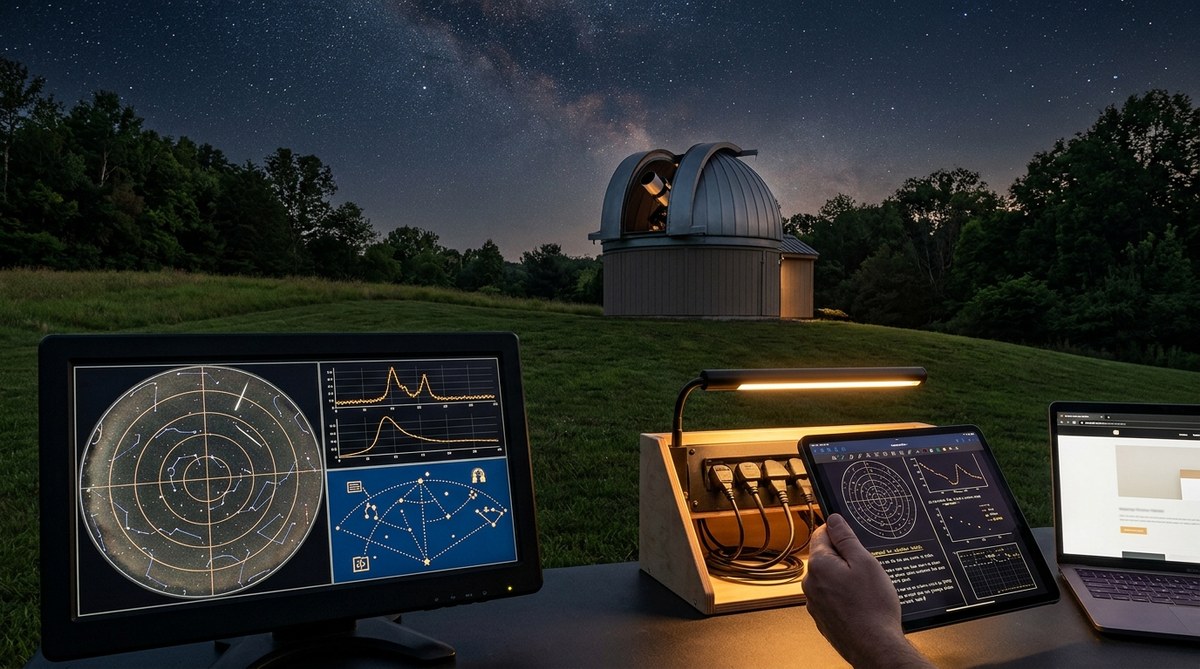
Interpreting celestial events can seem complex, especially when you’re relying on remote observatory data. Yet, with the right approach, you can uncover the stories behind the stars, planets, and cosmic phenomena from your own home or remote setup. Remote observatories have made it easier than ever for amateur astronomers to access high-quality data, analyze celestial events, and gain insights that once required professional equipment or travel. This guide will walk you through how to interpret celestial events using remote observatory data, turning raw observations into meaningful knowledge.
By understanding how to interpret remote observatory data, amateur astronomers can unlock the secrets of celestial phenomena. Using analysis tools and a systematic approach, you can accurately identify, understand, and even predict cosmic events from your own remote setup or online data sources.
Understanding the Foundations of Remote Observatory Data
Before jumping into interpretation techniques, it’s important to grasp what kind of data you can access through remote observatories. Typically, this includes images, spectra, light curves, and catalog data. These datasets are captured by advanced telescopes that you can control online, often from different time zones or locations worldwide.
Remote observatories provide high-resolution images in various wavelengths, such as visible light, infrared, or ultraviolet. Spectroscopic data reveal details about the composition, temperature, and motion of celestial objects. Light curves track brightness variations over time, essential for understanding phenomena like variable stars or exoplanet transits.
To interpret these data effectively, familiarity with their formats and what they represent is crucial. Most observatories provide data in standard formats, such as FITS images and CSV files for light curves, which can be processed with common analysis software.
How to Approach Interpreting Celestial Events Using Remote Data
Interpreting celestial events involves several steps that turn raw data into meaningful insights. Here’s a systematic process:
1. Gather Reliable Data From Reputable Sources
Start by accessing data from established remote observatories. Many platforms offer public access to their datasets, including Sky Live or Slooh. These sites often feature recent observations of comets, asteroids, and planetary events.
2. Analyze the Raw Data to Confirm the Event
Once you have the data, examine the images or light curves. Look for specific signatures of the event you’re interested in. For example, a sudden brightness increase in a light curve may indicate a nova or supernova. Use software like AstroImageJ to process images and extract measurements.
3. Cross-Reference With Known Celestial Events
Compare your findings with official reports or databases. The Minor Planet Center tracks asteroid and comet activity, while NASA’s Exoplanet Archive catalogs exoplanet transits. Cross-referencing helps verify whether your observation matches known events or indicates a new phenomenon.
4. Interpret Spectroscopic and Light Curve Data
Spectroscopy reveals the chemical makeup of celestial objects. For instance, emission lines can indicate the presence of hydrogen, helium, or other elements. Light curves can show periodicity, helping you determine if an event is a variable star or caused by an orbiting body.
5. Use Analytical Tools and Techniques
Employ tools like periodogram analysis to identify periodic signals in light curves. Software such as VStar or Period04 can assist in detecting and interpreting these patterns.
6. Document Your Findings and Share Insights
Keep detailed records of your analysis, including screenshots, data files, and interpretations. Sharing your observations on forums like Cloudy Nights or AstroBin encourages community feedback and validation.
Practical Techniques for Accurate Interpretation
Using remote data effectively involves mastering specific techniques. Here are some practical tips and common pitfalls:
| Technique | Description | Common Mistake |
|---|---|---|
| Calibration | Correct raw images for bias, dark, and flat-field effects | Skipping calibration can lead to misinterpreted brightness and features |
| Time Synchronization | Ensure timestamps are accurate, considering time zones and daylight savings | Using incorrect timestamps can distort periodicity analysis |
| Signal-to-Noise Ratio | Process data to maximize clarity, reduce noise | Ignoring noise may hide or mimic real signals |
| Spectral Line Identification | Use reference spectra to identify elements | Misidentifying lines can lead to wrong conclusions about composition |
| Data Cross-Checking | Compare data across different wavelengths or sources | Relying on a single dataset risks missing contextual clues |
Common Mistakes in Interpretation
- Misreading Brightness Variations: Brightness fluctuations could be due to atmospheric interference or equipment issues rather than actual celestial events.
- Ignoring Calibration: Raw data often contain artifacts. Without proper calibration, your analysis might be skewed.
- Overlooking Context: Not checking recent astronomical reports or databases can lead to misidentifying a known event as a new discovery.
Expert advice: “Always validate your data with multiple sources and ensure your analysis accounts for potential errors. The more cross-checking you do, the clearer the cosmic story becomes.”
Bridging Astrology and Scientific Observation
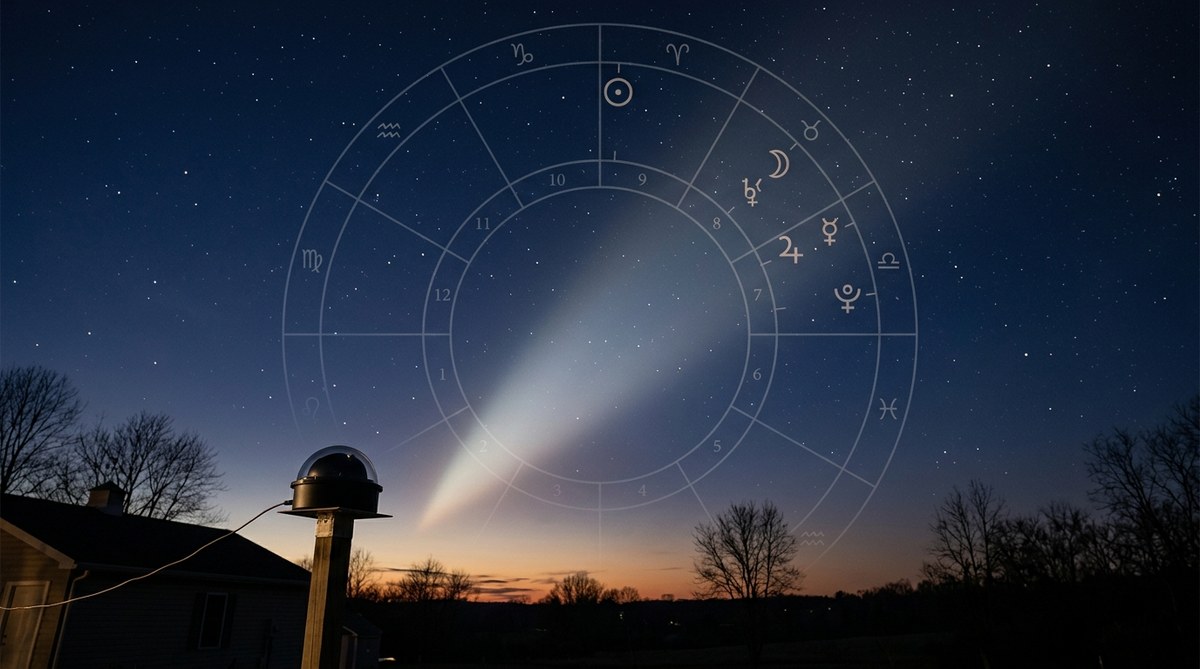
While remote observatories provide scientific data, understanding celestial events’ cultural and astrological significance adds another layer of appreciation. For centuries, celestial phenomena like eclipses, planetary alignments, and comets have shaped astrological traditions. Recognizing these connections can deepen your engagement with the night sky.
It’s important to remember that interpreting celestial events scientifically involves analyzing data objectively. However, many amateur astronomers find joy in correlating their observations with astrological or cultural stories, enriching their experience.
Final Steps to Unveil the Mysteries of the Night Sky
Interpreting celestial events with remote observatory data is a rewarding pursuit. Here are steps to help you deepen your understanding:
- Regularly review data from multiple observatories to notice patterns.
- Practice calibrating and processing images to improve accuracy.
- Use analysis software to identify periodicities or spectral signatures.
- Cross-reference findings with official astronomical catalogs.
- Keep detailed records of your observations and analysis methods.
- Engage with online communities for feedback and shared insights.
By following these practices, you’ll transform raw data into stories that reveal the universe’s workings. Whether you’re tracking a fleeting meteor shower or analyzing a distant galaxy’s spectrum, your interpretations contribute to a broader understanding of the cosmos.
Connecting the Dots Between Data and Wonder
Interpreting celestial events through remote observatory data opens a window into the universe’s ongoing story. It bridges the gap between scientific inquiry and personal curiosity. By honing your analysis skills, you become not just a passive observer but an active participant in uncovering cosmic mysteries. Take advantage of the accessible data, embrace the analytical process, and let your curiosity guide your explorations. The universe is vast, and your journey to understand it can begin right from your own home or remote observatory setup.

Post Comment