Decoding Celestial Phenomena: How Remote Observatory Data Reveals the Mysteries of the Night Sky
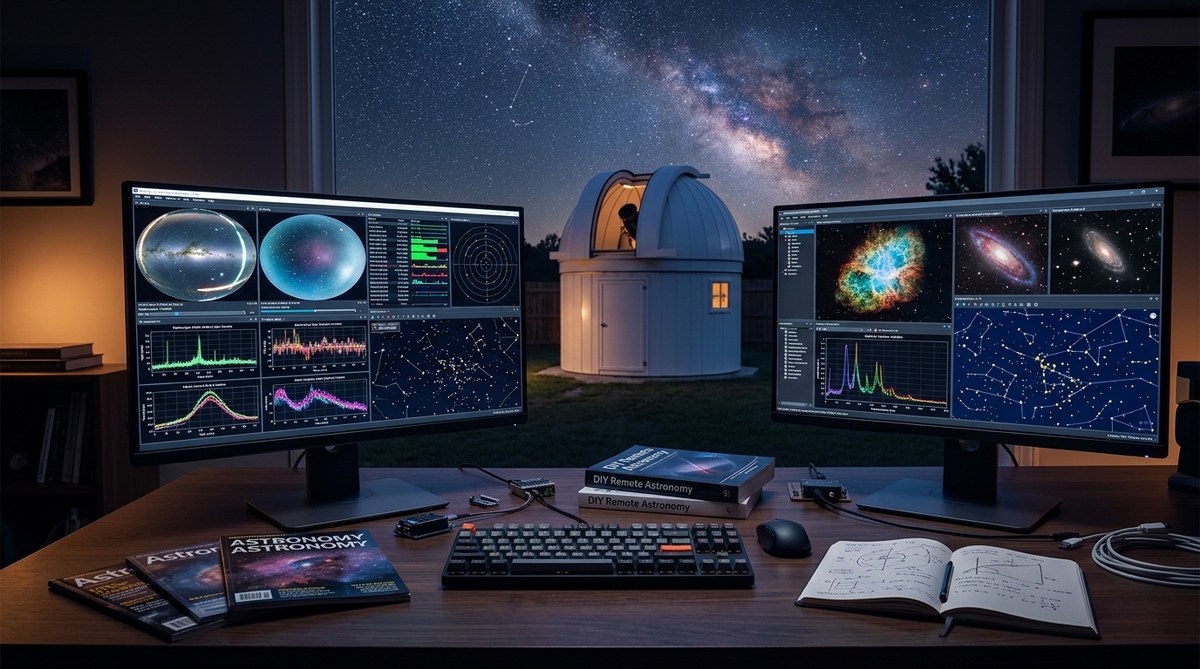
Watching the night sky has fascinated humanity for centuries. Today, advanced remote observatories provide unprecedented insights into celestial phenomena. They gather vital data that helps us understand cosmic events like supernovae, asteroid flybys, and distant galaxy formations. These facilities enable astronomers, students, and researchers to decode the universe’s secrets without leaving their homes. As technology advances in 2026, remote observatory data becomes even more vital for uncovering the universe’s hidden stories.
Celestial phenomena remote observatory data allows scientists and enthusiasts to analyze cosmic events in detail, revealing mysteries of the night sky through real-time and archival observations in 2026.
How Remote Observatory Data Illuminates Celestial Events
Remote observatories are equipped with powerful telescopes, sensitive detectors, and sophisticated software that collect data on a wide range of celestial phenomena. They operate from remote locations, often in dark-sky areas or space-based platforms, to minimize light pollution and atmospheric interference. The collected data includes images, spectra, and time-series observations that help decode cosmic events.
This data is crucial because it allows for continuous monitoring of objects that may be too faint, too fast, or too distant for traditional ground-based telescopes. Researchers can analyze this information to identify patterns, track movement, and detect anomalies in celestial phenomena. For example, observing the changing brightness of a supernova or tracking the trajectory of near-Earth objects relies heavily on remote observatory data.
Practical Processes for Using Celestial Data Effectively
Getting the most from remote observatory data involves a few straightforward steps:
-
Access the Data
Many observatories provide open data portals or collaborations with research institutions. Start by exploring the data repositories like JAT Observatory or similar platforms. Sign up for alerts or subscribe to data feeds relevant to your interests. -
Analyze the Data
Use specialized software tools to interpret images and spectra. Programs like Astropy, DS9, or dedicated astrophotography tools help identify features, measure brightness, and analyze spectra. Familiarize yourself with data formats like FITS files and learn techniques for calibration and noise reduction. -
Interpret and Share Findings
Once you analyze the data, compare your results with existing catalogs or published research. Sharing your observations with communities like the American Association of Variable Star Observers or astronomy forums can contribute to scientific understanding. For students and researchers, collaborating with academic institutions can deepen insights.
Techniques and Common Mistakes in Data Analysis
| Technique | Mistake to Avoid |
|---|---|
| Calibrating images properly | Ignoring dark and flat-field correction |
| Using appropriate filters | Applying unsuitable filters for the target |
| Cross-referencing catalogs | Relying solely on unverified data sources |
| Tracking object motion | Not accounting for Earth’s rotation and refraction |
Unraveling Cosmic Mysteries Through Data
Remote observatory data has been instrumental in identifying rare celestial phenomena. For instance, analyzing transient events like gamma-ray bursts or fast radio bursts requires rapid data collection and processing. Similarly, tracking asteroid trajectories helps assess impact risks and develop potential deflection strategies.
Astronomy enthusiasts and students can participate in citizen science projects that utilize remote data. Platforms like Zooniverse host projects where users classify celestial objects or identify anomalies based on real-time observations. This collective effort accelerates discoveries and advances understanding of cosmic phenomena.
“Remote observatory data bridges the gap between amateur curiosity and professional research. It enables anyone to contribute to unraveling the universe’s secrets,” says Dr. Lisa Grant, an astrophysicist specializing in cosmic transient events.
How Celestial Phenomena Data Enhances Astrological Insights
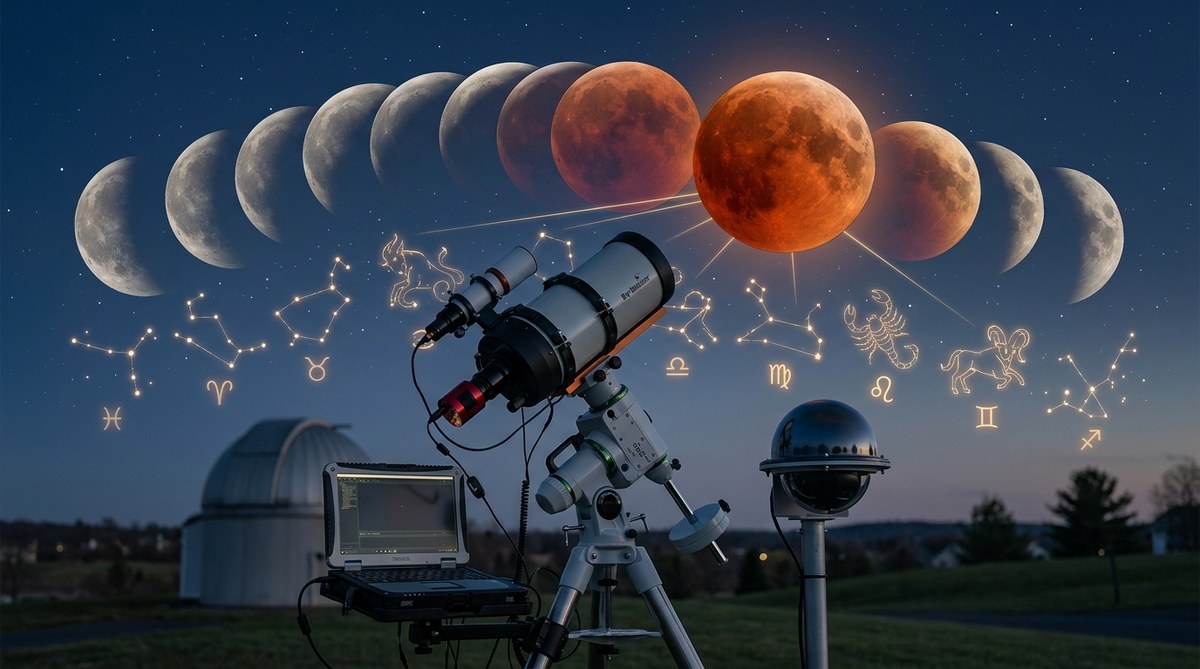
While scientific data focuses on understanding physical phenomena, many astrology enthusiasts find value in observing celestial events’ timing and characteristics. For example, tracking planetary alignments, eclipses, or lunar phases through remote data can inform astrological practices.
Astrologers often correlate celestial phenomena with terrestrial events. The precise timing and details gathered from remote observatories lend credibility to predictions and analyses. In 2026, integrating scientific data with traditional astrology provides a richer perspective on cosmic influences.
Best Practices for Engaging with Remote Observatory Data
-
Stay Informed
Keep up with the latest data releases, alerts, and discoveries through observatory newsletters and social media. -
Develop Analytical Skills
Familiarize yourself with software tools and data formats. Many online tutorials are available for beginners. -
Participate in Community Projects
Join citizen science initiatives that leverage remote data. Sharing insights and observations enriches the collective understanding. -
Respect Data Use Policies
Always adhere to observatory guidelines and acknowledge sources when publishing findings.
Common Techniques and Mistakes
| Technique | Mistake to Avoid |
|---|---|
| Using proper calibration frames | Skipping calibration steps to save time |
| Applying correct coordinate systems | Confusing J2000 with other epochs |
| Analyzing spectral data carefully | Overlooking atmospheric effects |
| Documenting analysis procedures | Failing to record parameters for reproducibility |
The Future of Celestial Phenomena Observation in 2026
Advances in remote observatory technology continue to expand our capacity to decode cosmic mysteries. The integration of artificial intelligence helps automate detection and classification of events. Cloud-based data sharing enables global collaboration.
In 2026, the wealth of data from these observatories offers a golden age for astronomy enthusiasts and scientists alike. Whether tracking a rare comet or studying distant galaxies, remote observatory data unlocks the universe’s secrets with clarity and precision.
Connecting the Night Sky to Daily Life
Understanding celestial phenomena through remote data can also deepen your appreciation for the universe’s influence on daily life. From predicting eclipses to understanding lunar cycles that affect tides and agriculture, these observations are more than scientific—they connect us to the cosmos.
By engaging with remote observatory data, you become part of a community that continually pushes the boundaries of human knowledge. Whether you are a student, researcher, or passionate sky-watcher, your curiosity fuels discovery.
A Practical Path to Cosmic Understanding
Getting started with celestial phenomena data is easier than you might think. Begin by exploring public data portals and familiarizing yourself with analysis tools. Participate in citizen science projects for hands-on experience. Share your findings and connect with like-minded enthusiasts. Over time, you’ll develop a nuanced understanding of the universe’s dynamic nature.
The universe is vast, and its mysteries are waiting to be uncovered. With remote observatory data, you have a powerful tool right at your fingertips to decode the night sky in 2026 and beyond. Keep observing, stay curious, and let the cosmos inspire your journey of discovery.

Post Comment