Decoding Astrological Birth Charts with Backyard Telescopes
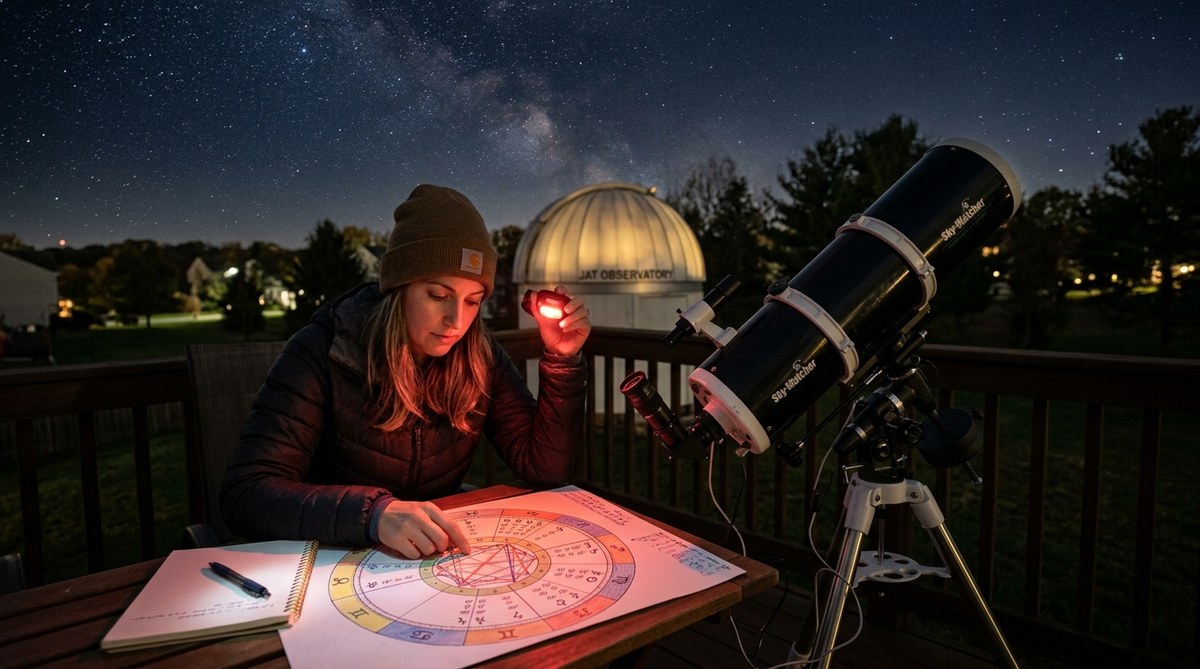
Thinking about merging your love for stargazing with your curiosity about astrology? Using backyard telescopes offers a unique way to connect with the cosmos beyond just viewing planets and stars. You can begin to decode your birth chart by observing celestial bodies in real time. This hands-on approach makes astrology more tangible and personal. In 2026, such practices are gaining popularity among amateur astronomers and astrology beginners alike who want to deepen their understanding of themselves and the universe.
Combining backyard telescope observations with astrology allows you to see celestial bodies in real time and interpret your birth chart more personally. This hands-on experience enhances your understanding of planetary influences and zodiac signs, making astrology more meaningful and fun to explore in 2026.
Understanding the connection between telescopes and astrology
Many beginners wonder how observing planets through a telescope can help them read their birth chart. While astrology relies on planetary positions at the moment of your birth, seeing these celestial bodies firsthand adds a layer of insight and appreciation. Backyard telescopes, from simple refractors to more advanced setups, give you a closer look at the planets, moons, and stars that influence your astrological profile.
In essence, your birth chart is a map of where celestial bodies were located at your birth time. Using your telescope, you can verify the positions of planets like Jupiter, Saturn, or Venus in the sky during your stargazing sessions. This visual confirmation makes interpreting your chart more concrete and engaging.
Step-by-step guide to decoding your birth chart with backyard telescopes
Here are practical steps to help you read your astrological birth chart by observing the sky from your backyard:
-
Gather your birth details
Obtain your date, exact time, and location of birth. Precise data is crucial because planetary positions change rapidly and influence your chart’s accuracy. -
Use reliable astrology software or online tools
Generate your birth chart with resources like astro.com or other trusted sites. These tools provide the zodiac signs, planets, and house placements based on your data. -
Identify the planetary positions in the sky
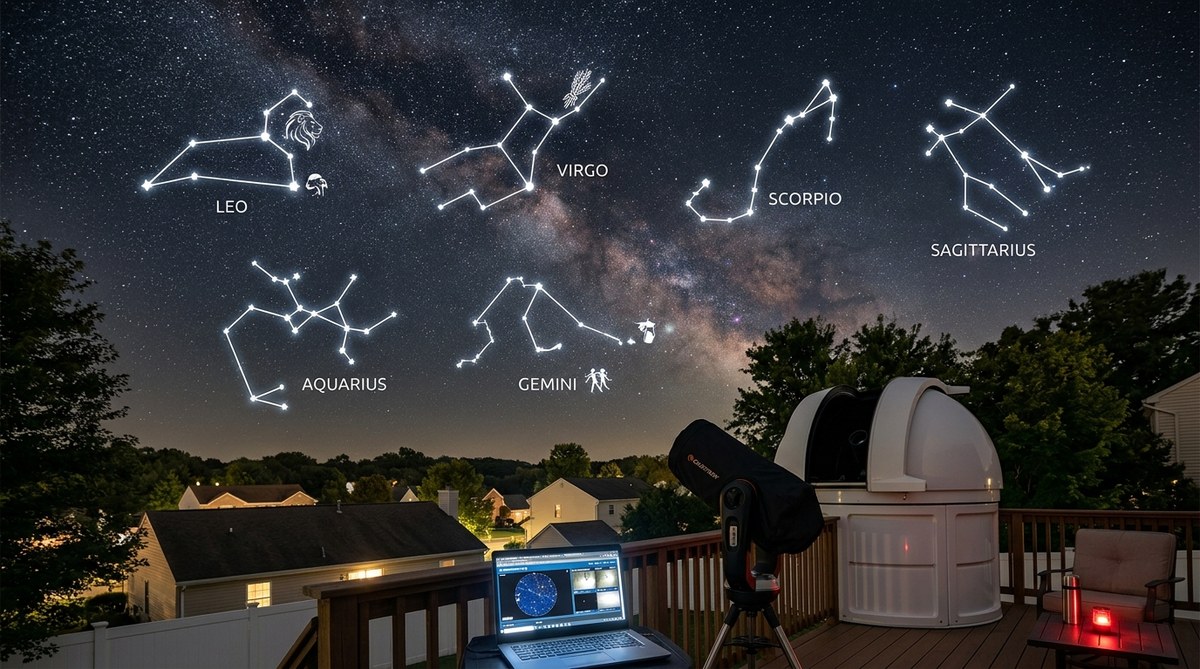
On the day of your stargazing session, determine the planets’ locations. Use star charts or apps like Stellarium to match your chart with real-time sky maps. If you aim to locate a specific planet, check its current position relative to prominent stars or constellations. -
Observe and compare
Locate planets like Jupiter or Saturn through your telescope. Note their position relative to nearby stars or constellations. This visual observation can help you understand how their placements relate to your chart. -
Interpret the data
Link the observed planetary positions to your birth chart. For example, if your chart indicates Venus is in Leo, and you observe Venus near Leo in the sky, it confirms your chart’s accuracy. Use astrology guides to interpret what these placements mean for personality traits and life events. -
Record your observations
Keep a journal of what you see. Document planetary positions, brightness, and any interesting details. Over time, this enhances your understanding of planetary movements and their influence. -
Combine insights
Use both your visual observations and astrological knowledge to deepen your interpretation. This integration helps you see the dynamic relationship between celestial mechanics and personal astrology.
Techniques for effective backyard planetary observation
To make the most of your stargazing sessions, consider these techniques:
- Use a red flashlight to preserve night vision while setting up.
- Align your telescope with a star tracker or compass for easier locating planets.
- Use planet filters to enhance planetary details.
- Take photos or videos to analyze later.
- Practice patience, as planets can be challenging to find without experience.
Common mistakes to avoid
| Technique | Mistake to Avoid |
|---|---|
| Rushing setup | Rushing can lead to misalignment and missed planets |
| Using poor-quality charts | Outdated or inaccurate charts lead to confusion |
| Ignoring atmospheric conditions | Weather and light pollution can distort views |
| Overlooking calibration | Improperly calibrated equipment impacts accuracy |
Expert advice for connecting astronomy and astrology
“Seeing planets in the night sky during your birth chart readings transforms abstract symbols into real celestial objects. It deepens your relationship with the cosmos and enhances your understanding of astrology.” — Dr. Lisa Carter, amateur astronomer and astrologer
Practical tips for beginners
- Start with easily visible planets like Jupiter and Saturn.
- Use apps for real-time sky guidance.
- Practice locating planets on clear nights.
- Cross-reference your observations with astrology charts.
- Keep your equipment clean and well-aligned.
How to deepen your connection with the stars through your chart
Reading your birth chart with backyard telescopes invites a more intimate experience of astrology. It turns theoretical knowledge into tangible observation. Over time, you will notice how planetary movements influence your mood, decisions, and life events. This practice enriches your understanding and makes astrology more accessible and personal.
By integrating your love for stargazing with astrology, you create a dynamic way to explore your place in the universe. With patience and curiosity, your backyard can become a personal observatory for both scientific and spiritual discovery. Take the time to observe, reflect, and connect. Your celestial journey awaits just outside your door.

Post Comment