Choosing the Best Equipment for Remote Sky Monitoring to Enhance Your Astronomy Experience
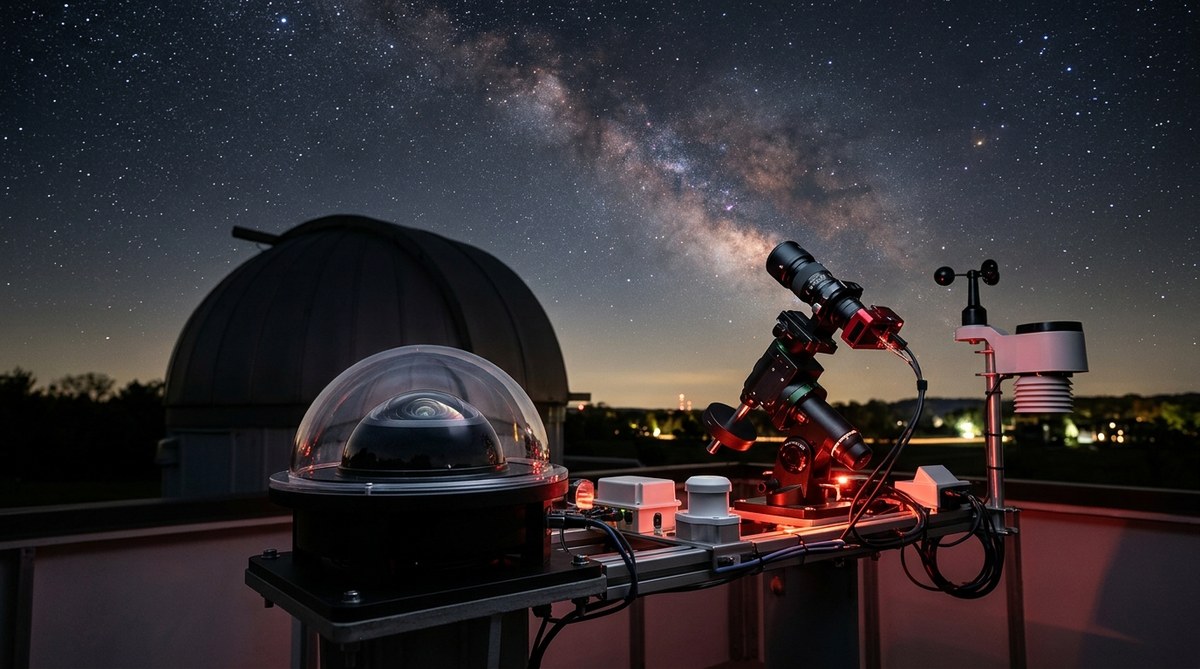
Getting started with remote sky monitoring opens up a world of possibilities for amateur astronomers and astrophotography enthusiasts. It allows you to observe celestial events from your home or remote location without being physically present. As technology advances, selecting the right equipment becomes crucial to maximize your viewing potential and capture stunning images of the night sky. Whether your goal is to track satellites, photograph distant galaxies, or monitor meteor showers, choosing the proper gear can make all the difference.
Selecting suitable remote sky monitoring equipment involves understanding your observation goals, choosing appropriate cameras and mounts, and ensuring reliable remote access. Proper gear can greatly enhance your ability to observe and photograph celestial phenomena from afar, opening new horizons in your astronomy journey.
Understanding Your Observation Goals
Before investing in equipment, clarify what you want to achieve. Are you interested in tracking satellites, capturing deep-sky images, or monitoring meteor showers? Your goals will influence the type of equipment you need. For example, capturing detailed images of planets requires high-resolution telescopes and tracking mounts, while wide-angle cameras are better for meteor showers and all-sky observations. Knowing your objectives helps streamline your equipment choices and budget.
Essential Components for Remote Sky Monitoring
To establish an effective remote sky monitoring system, focus on key equipment categories. Here are the main elements:
1. Cameras and Sensors
-
All-sky cameras: These provide a panoramic view of the sky, ideal for meteor showers and cloud monitoring. Look for models with high sensitivity and low light pollution resistance. For instance, an all-sky camera with a wide-angle lens can continually observe the entire sky and record celestial events automatically.
-
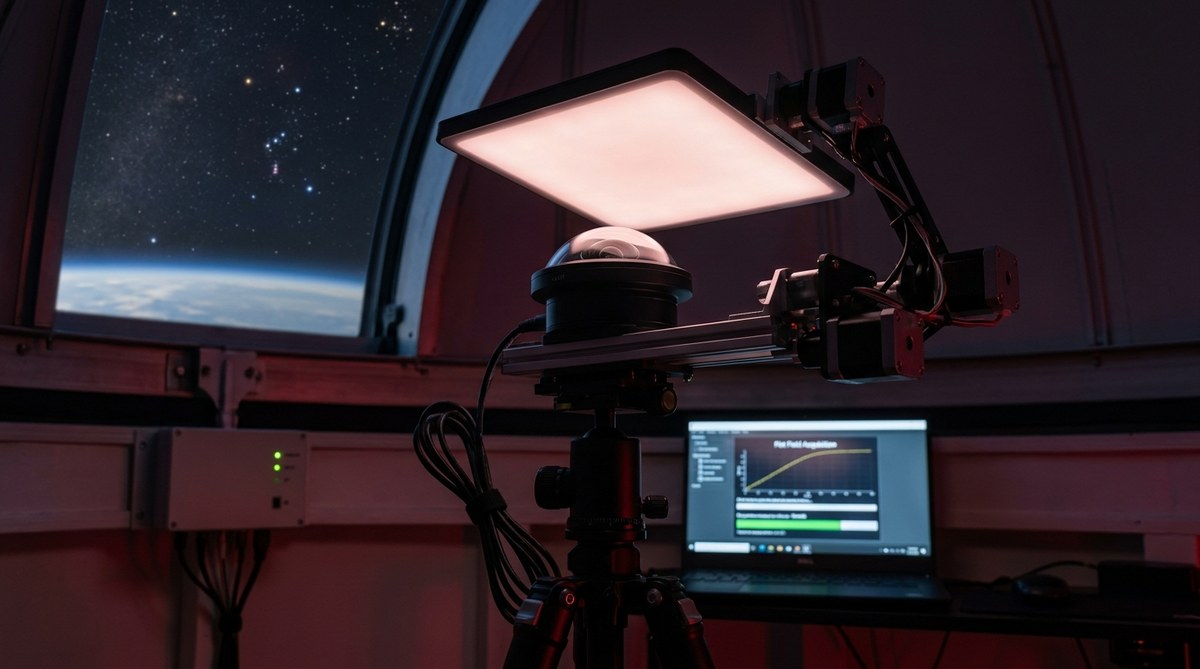
Deep-sky astrophotography cameras: These are specialized CCD or CMOS sensors designed for long exposures. They produce detailed images of galaxies and nebulae. Consider models compatible with remote operation software.
-
Satellite and object tracking cameras: These cameras can follow moving objects like satellites or space debris. They often integrate with software that automates tracking and imaging.
2. Mounts and Tracking Systems
-
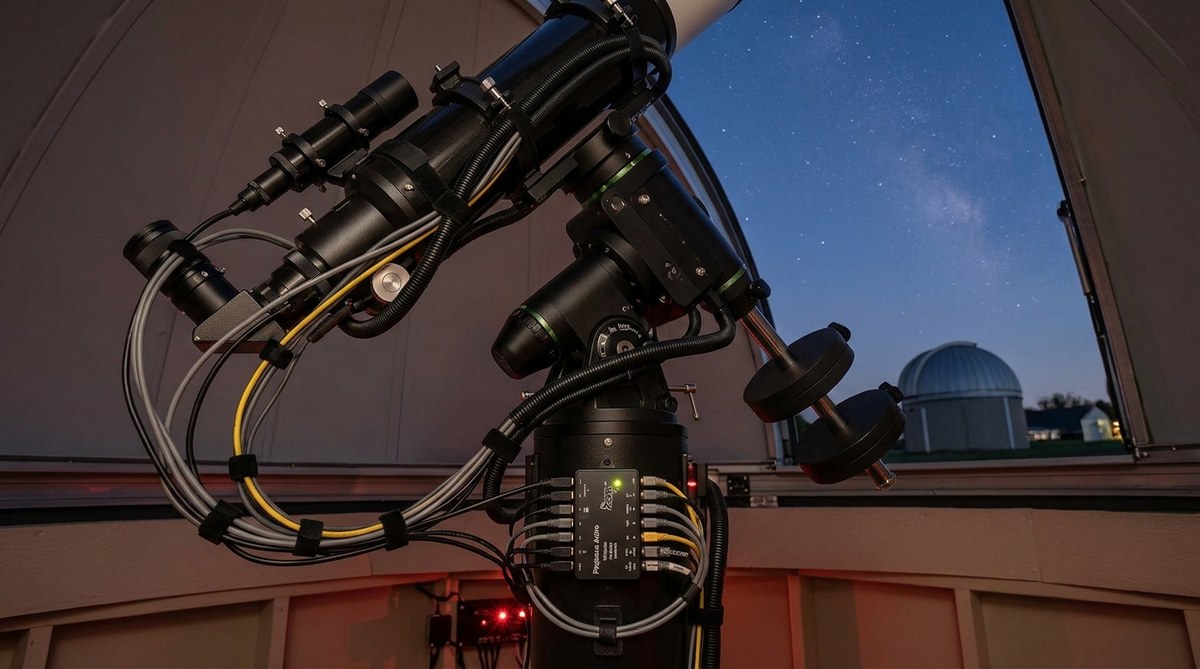
Equatorial mounts: These mounts are vital for long-exposure astrophotography. They compensate for Earth’s rotation, ensuring stars and planets stay centered during imaging sessions. For remote setups, choose mounts with motorized tracking and remote control capabilities.
-
Alt-azimuth mounts: Suitable for visual observation but less ideal for astrophotography. Some models support motorized movement with remote access.
3. Mounting Hardware and Enclosures
-
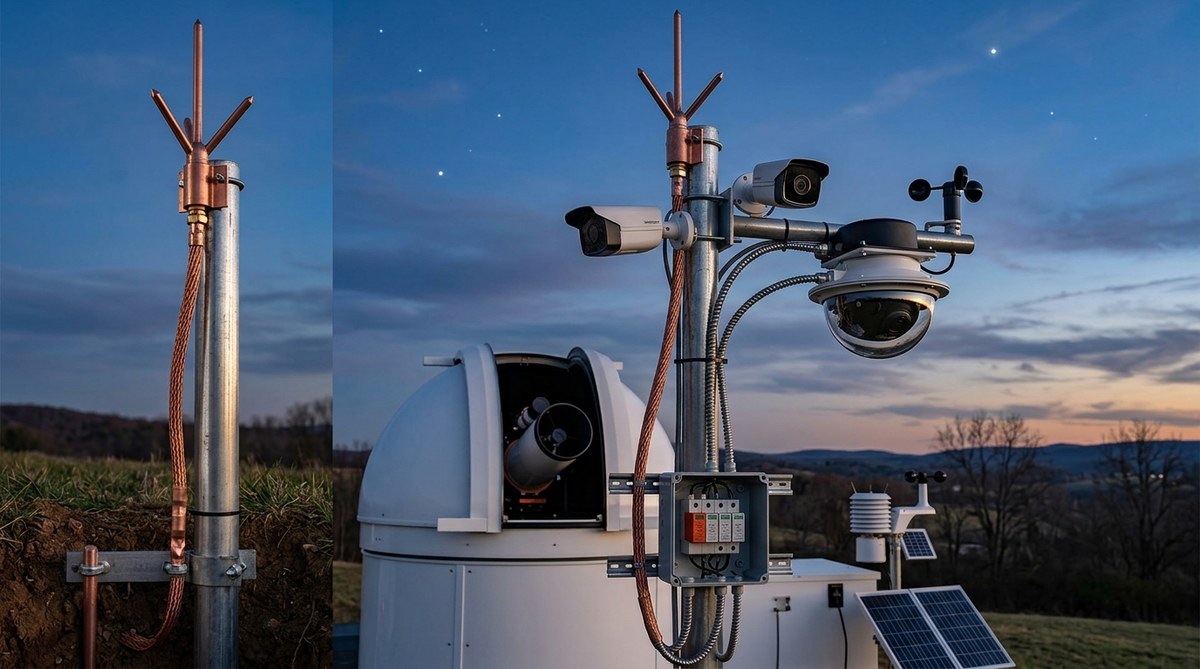
Weatherproof enclosures: Protect your equipment from the elements. Look for durable, remote-controlled domes or housing with climate control options.
-
Remote power solutions: Use reliable, uninterruptible power supplies or solar options to keep your equipment running unattended.
4. Software and Remote Access
-
Automation software: Essential for scheduling observations, controlling camera and mount movements, and collecting data. Open-source options like Sequence Generator Pro or proprietary solutions can integrate with your hardware.
-
Remote desktop tools: Enable you to access your equipment from anywhere. Secure connections ensure your system remains protected.
5. Networking and Data Management
-
Stable internet connection: Critical for remote operation and data transfer. Use wired Ethernet or high-quality Wi-Fi with boosters if needed.
-
Data storage solutions: Local NAS devices or cloud storage options facilitate backup and easy access to your captured images and videos.
Practical Process for Setting Up Remote Sky Monitoring Equipment
Follow these steps to create a reliable remote observation station:
- Define your goals and select equipment based on your targeted celestial phenomena.
- Choose a suitable site that offers clear views of the sky with minimal light pollution.
- Set up your hardware, ensuring your cameras, mounts, and enclosures are properly installed and weatherproofed.
- Configure your software, linking cameras, mounts, and remote access tools for seamless operation.
- Test your setup during daylight and nighttime to ensure everything functions correctly and data flows smoothly.
- Schedule regular observations or automate sessions with software to maximize your time observing or capturing images.
- Maintain your equipment periodically, checking for weather damage or technical issues.
Common Techniques and Mistakes to Avoid
| Technique | Mistake to Avoid |
|---|---|
| Using high-sensitivity cameras for faint object imaging | Ignoring proper shielding from light pollution |
| Automating software for scheduled observations | Overlooking network security and remote access protections |
| Properly balancing and calibrating mounts | Relying on unstable or unbalanced hardware that causes tracking errors |
| Regularly updating firmware and software | Neglecting system maintenance leading to software incompatibility or failures |
Expert advice: “Investing in quality mounts and cameras pays off in sharp images and reliable remote operation. Skimping on these essentials often results in frustration and subpar results,” recommends astrophotography specialist Laura Johnson.
Tips for Improving Remote Sky Monitoring
- Use a dedicated power source to avoid interruptions.
- Regularly check weatherproofing to prevent damage.
- Keep detailed logs of your setup and observations for troubleshooting.
- Connect with online communities for tips and support.
Final Tips for Your Remote Astronomy Setup
Choosing the best remote sky monitoring equipment involves understanding your specific interests and technical needs. Focus on building a balanced system that combines quality hardware with reliable software. Remember to start simple if you’re new, then expand as your experience grows. With patience and proper planning, your remote observatory can become a powerful tool for astronomical discovery and astrophotography.
Embracing the Celestial from Afar
Setting up a remote sky monitoring station offers a practical way to deepen your connection with the universe. It removes barriers like weather, light pollution, and time constraints. By selecting the right equipment and optimizing your setup, you’ll unlock new levels of observation and imaging. Keep experimenting, stay curious, and enjoy every moment under the stars from wherever you are.

Post Comment